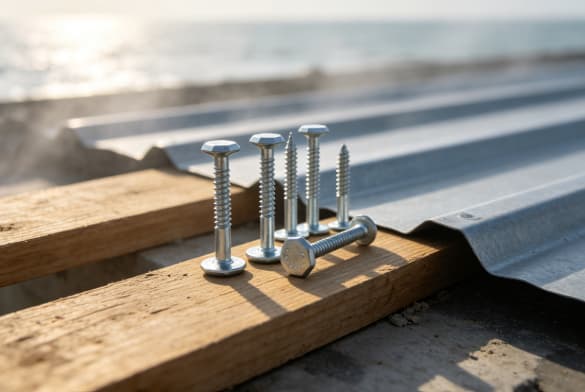
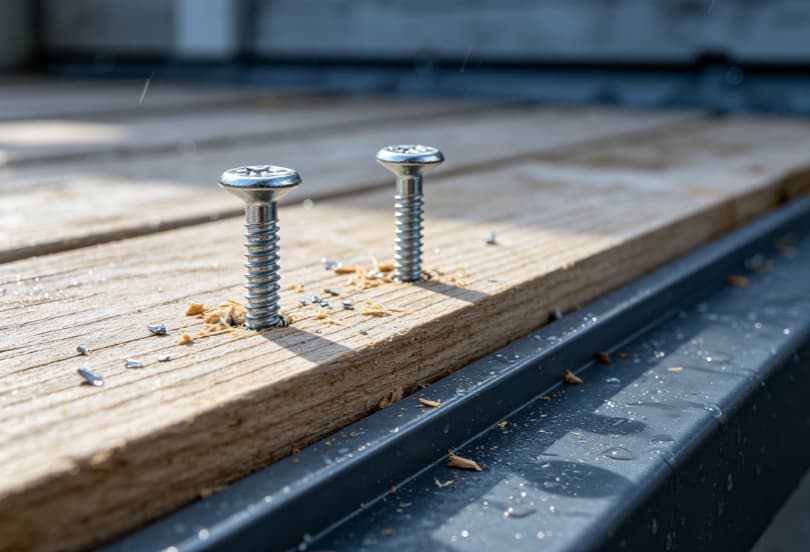
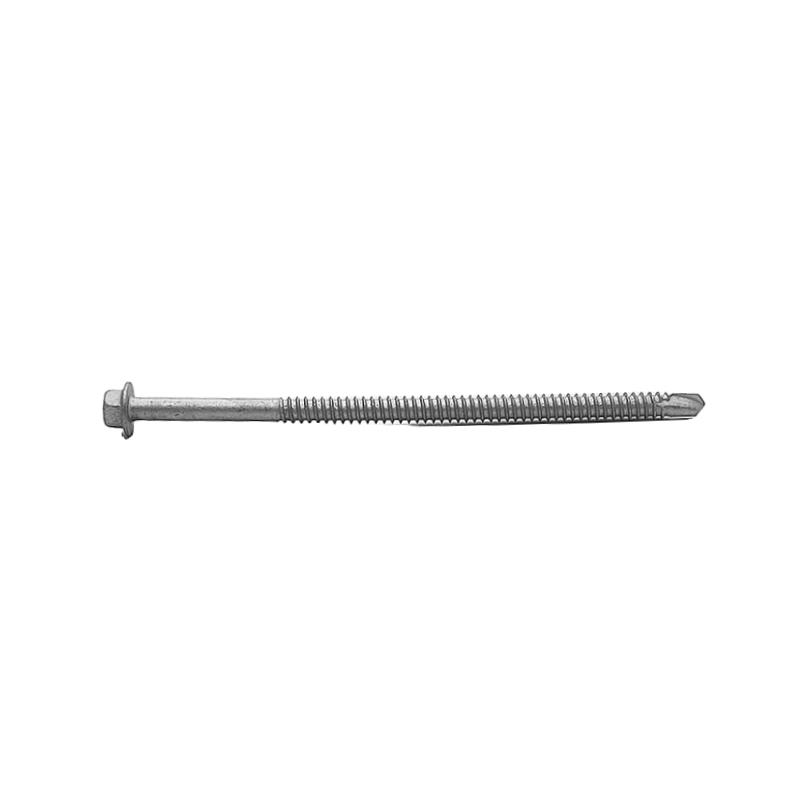
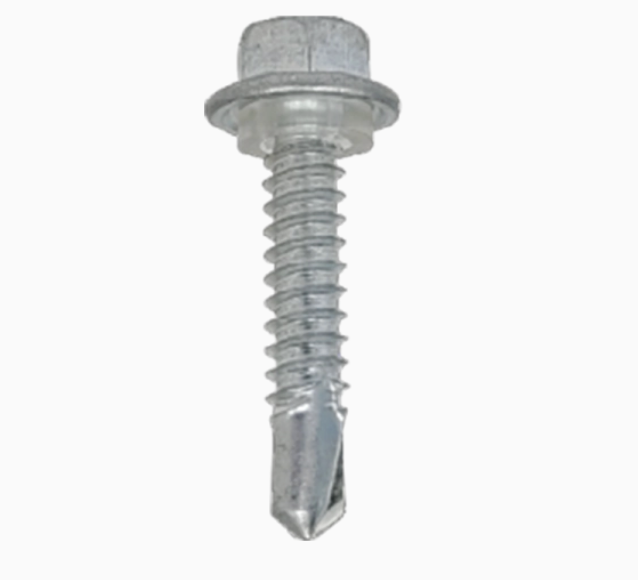
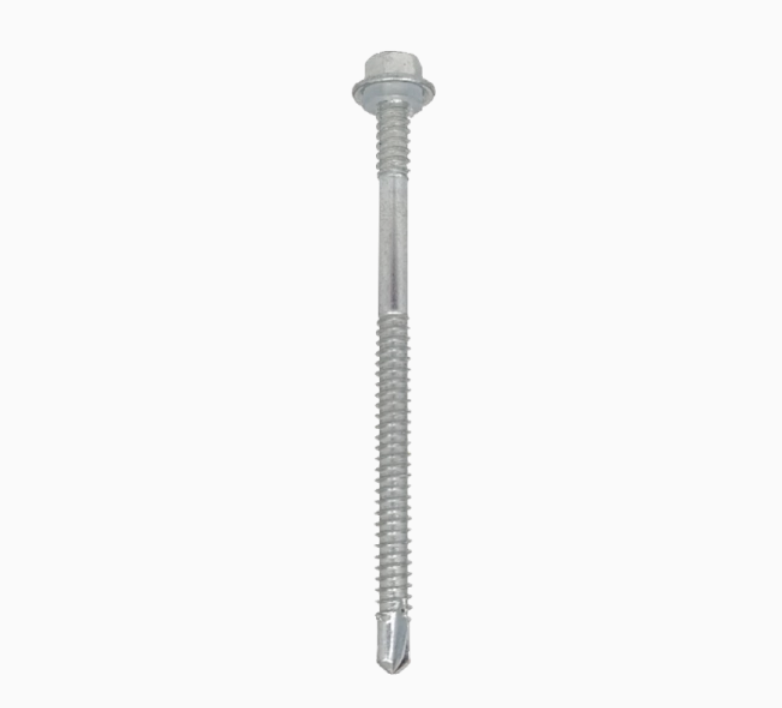
Galvanised carbon steel nails resist vibration with full-thread engagement, hex flange support, ductile steel, and corrosion protection for demanding applications.
Learn how to choose a galvanised carbon steel nail for rust prevention. Compare hot-dip and electro-galvanized options for durable corrosion protection.
Compare 300 vs 400 series stainless steel nails for outdoor use. Learn differences in corrosion resistance, strength, cost, and the right choice for your project.
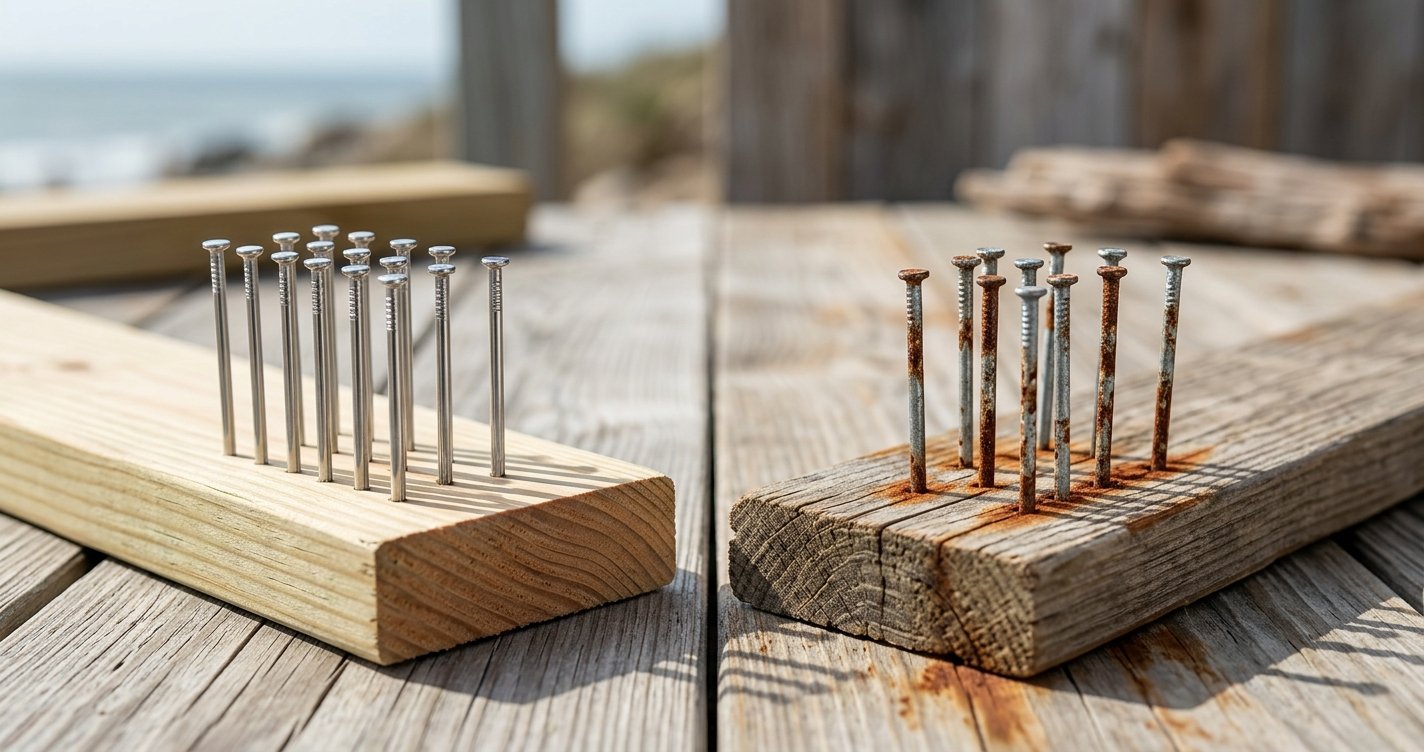
Compare stainless steel nails and galvanized nails to understand corrosion resistance, durability, lifecycle cost, and the best fastener choice for outdoor, marine, and demanding construction applications.
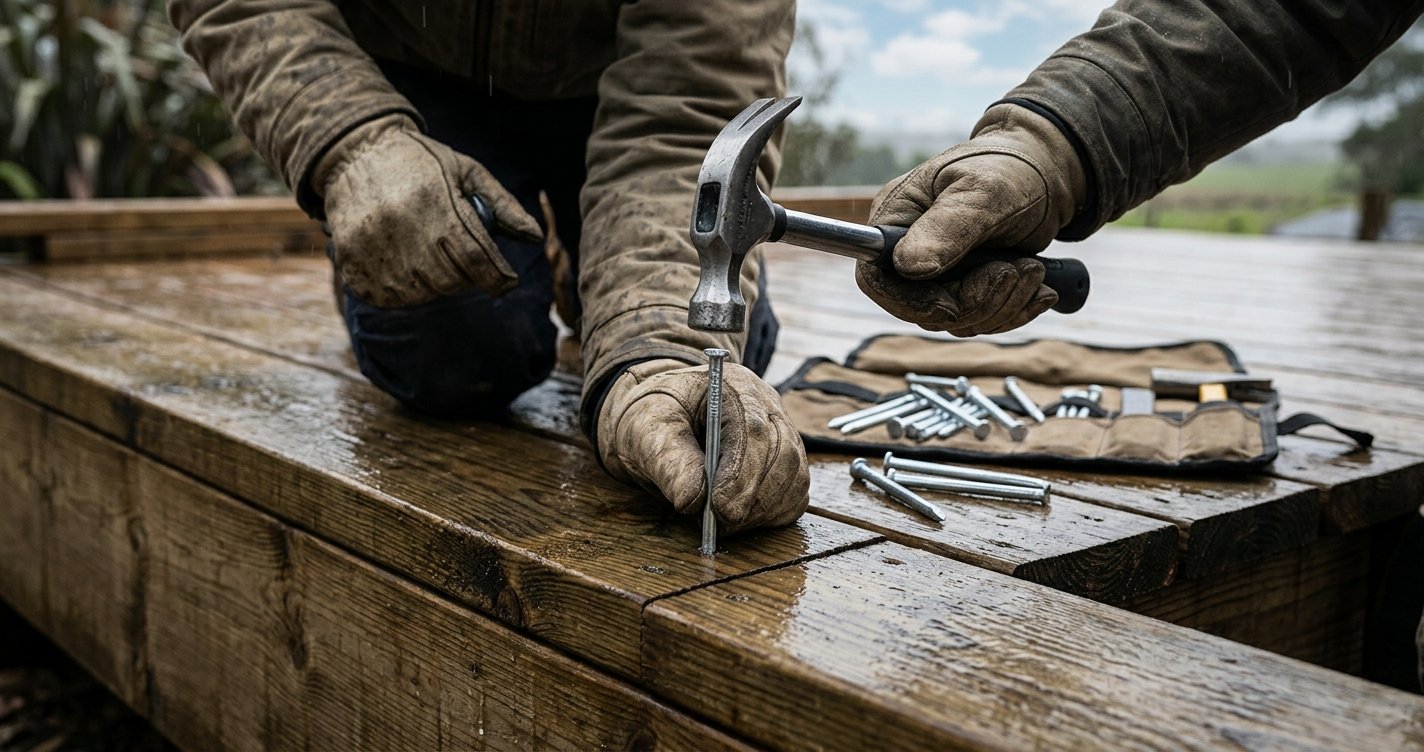
Learn how to select, install, and maintain Galvanised Carbon Steel Nails for wet conditions, covering coating grades, corrosion resistance, timber compatibility, and best practices for long-term performance.
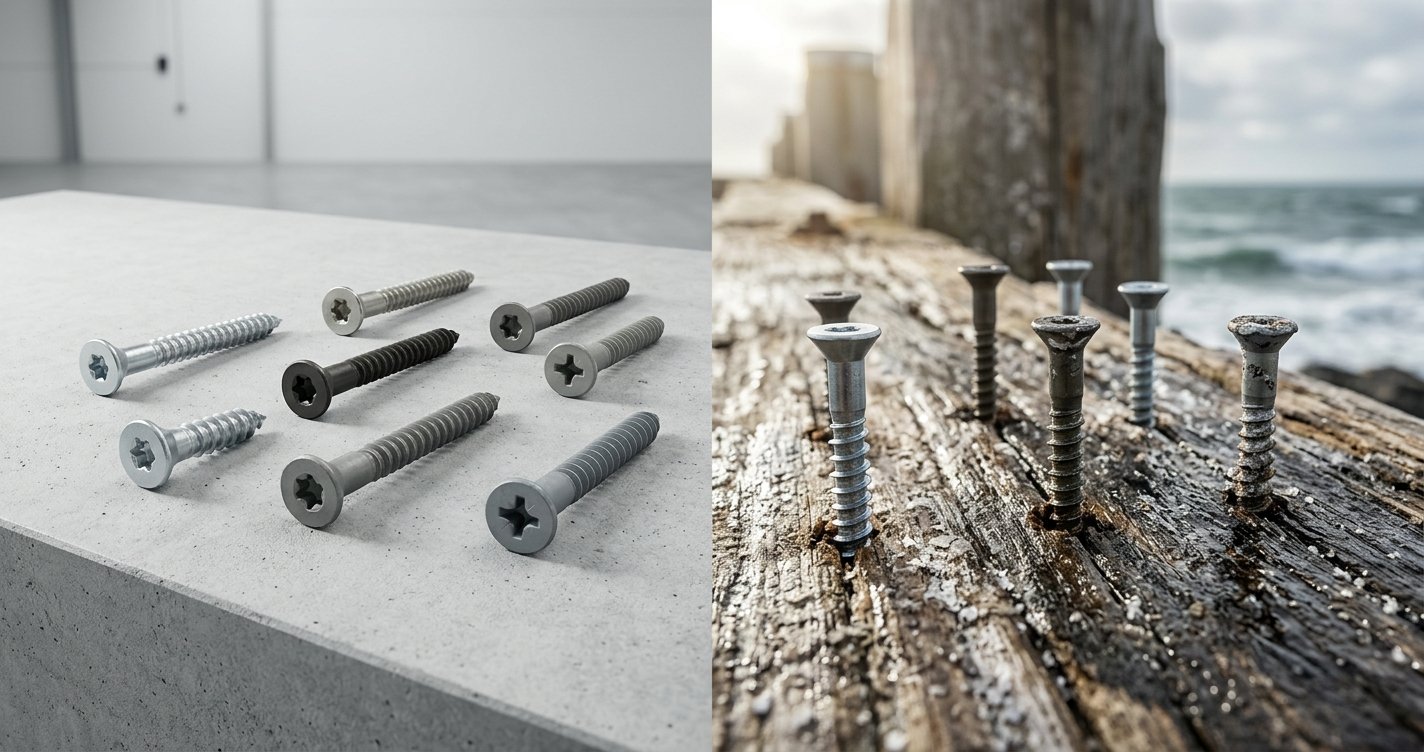
Discover where carbon steel countersunk screws deliver maximum performance across automotive, construction, and industrial applications—and why they outperform alternatives in strength, flush finishing, and cost efficiency.
A detailed guide on selecting galvanised carbon steel nails, comparing their strength, cost, and corrosion resistance to stainless steel for optimal construction outcomes.
Discover how long galvanized carbon steel nails last in treated wood—comparing hot-dipped vs electro-galvanized, real corrosion data, and best-use guidelines.