
Introduction: The Hidden Challenge in Construction Fastening
Every construction project—whether a residential framing job, a commercial deck build, or a large-scale infrastructure development—depends on one critical element that often goes unnoticed: the fasteners holding everything together. While contractors carefully select lumber, concrete, and roofing materials, the humble nail is frequently an afterthought. Yet choosing the wrong fastener can lead to catastrophic consequences: pulled connections under wind load, premature rust in coastal environments, costly callbacks, and even structural failures that compromise safety.
The global construction nails market was valued at approximately $10.9 billion in 2024 and is projected to reach $13.4 billion by 2030, reflecting steady growth at a CAGR of 3.6%. Within this expanding market, Carbon Steel Hexagonal Small Flange Structural Nails have emerged as a preferred solution for professionals who demand superior holding power, corrosion resistance, and installation efficiency. But what makes these fasteners different, and why should they be your go-to choice for structural applications?
This article explores the design advantages, material properties, and real-world applications of Carbon Steel Hexagonal Small Flange Structural Nails, providing contractors, builders, and procurement professionals with the technical insights needed to make informed fastener selections.
Understanding Carbon Steel Hexagonal Small Flange Structural Nails
What Defines This Fastener Category?
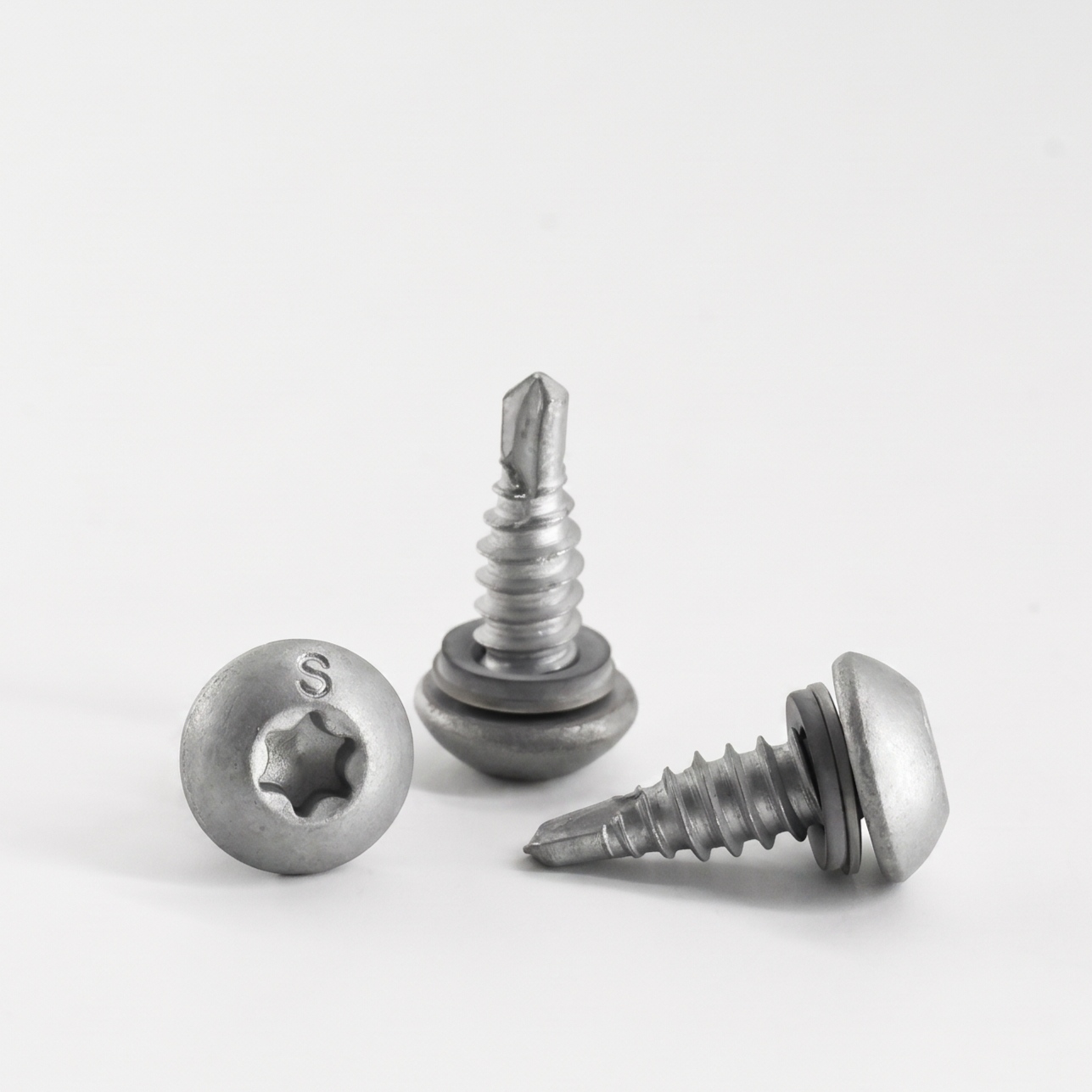
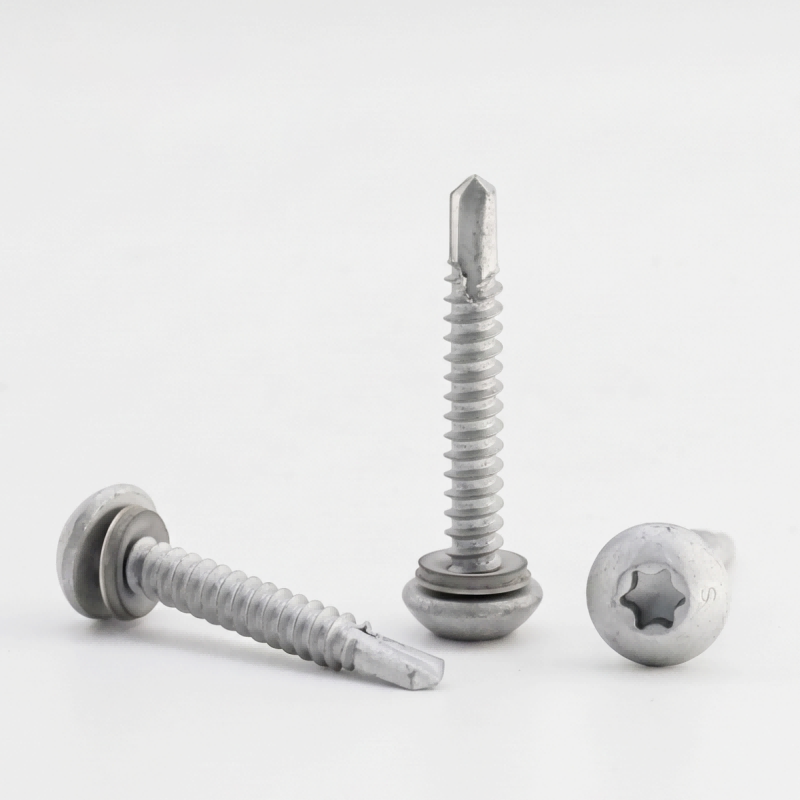
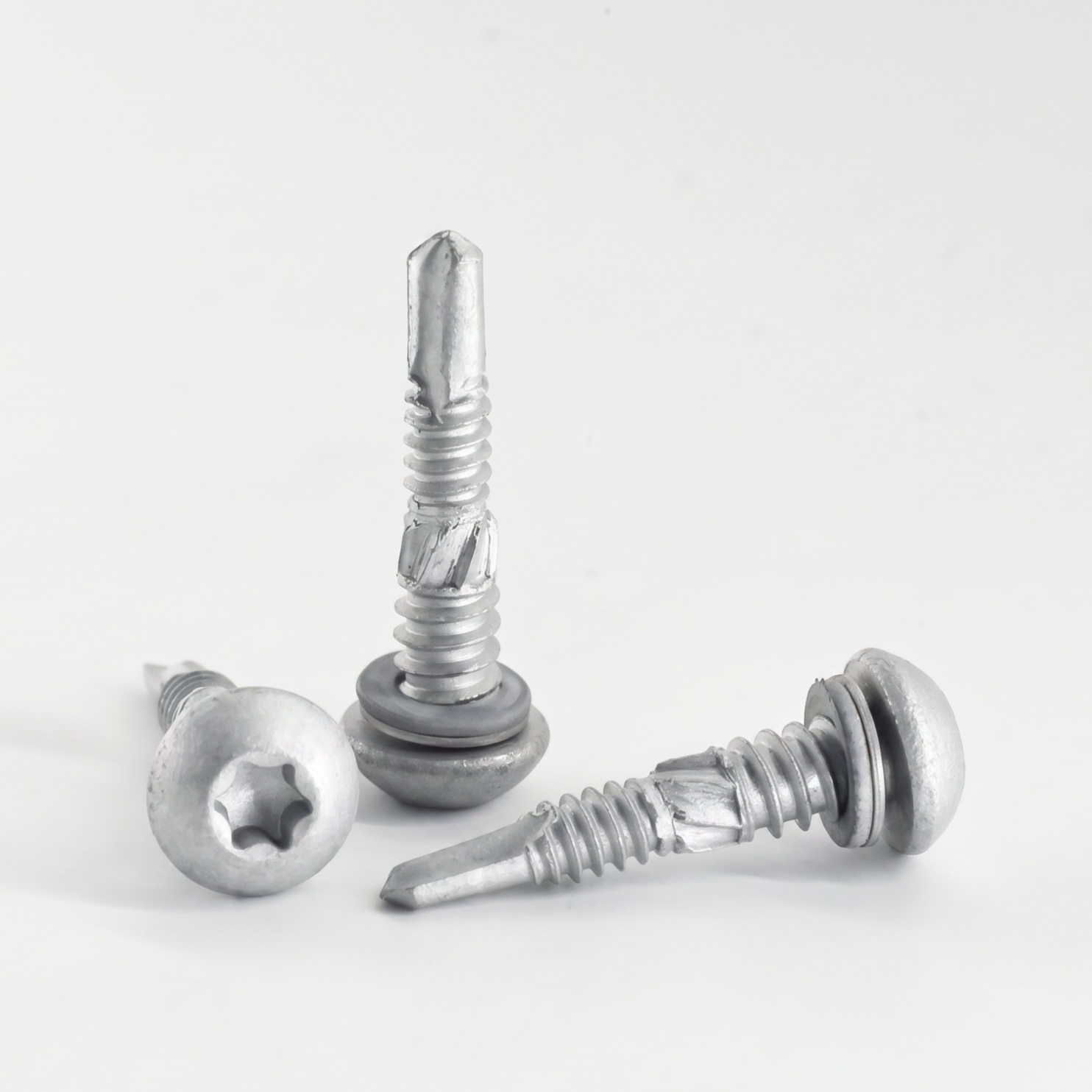
Carbon Steel Hexagonal Small Flange Structural Nails are engineered fasteners designed for high-stress applications where holding power and reliability are non-negotiable. The name itself describes three critical characteristics:
-
Carbon steel construction: Provides high tensile strength and hardness at a cost-effective price point
-
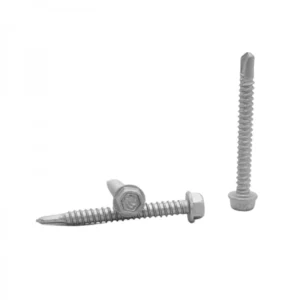
Hexagonal head geometry: Offers enhanced driving control and superior grip compared to round heads
-
Small flange design: Maximizes flush seating while minimizing material displacement
These fasteners are manufactured to comply with GB/T 3098 standards, ensuring consistent quality and performance across production batches. For any structural fastening task that demands long-term durability, Carbon Steel Hexagonal Small Flange Structural Nails deliver measurable advantages over conventional options.
The Hexagonal Advantage: Why Shape Matters
The hexagonal head design is not merely aesthetic—it delivers measurable performance benefits. Unlike round-headed nails that rely primarily on friction, the six-sided geometry creates multiple contact points that enhance rotational resistance and pull-out prevention. When driven into wood or engineered materials, the edges of a hexagonal nail generate greater friction against the substrate, reducing the likelihood of loosening under dynamic loads or vibration.
For structural applications where load-bearing capacity is critical—such as shear wall connections, anchor points for heavy fixtures, or framing components subject to seismic forces—this enhanced grip translates directly into improved structural integrity and safety. That is precisely why Carbon Steel Hexagonal Small Flange Structural Nails are increasingly specified by engineers for high-demand environments.
Small Flange Design: The Balance of Surface Area and Flush Fit
The small flange geometry represents a thoughtful engineering compromise. Larger flanges provide more surface area for load distribution, but can cause material splitting and create uneven surfaces requiring additional finishing work. The small flange design of these structural nails achieves an optimal balance:
-
Sufficient bearing surface to distribute loads effectively without material damage
-
Flush seating capability that minimizes protrusion for clean finished surfaces
-
Reduced splitting risk compared to larger-headed alternatives
-
Compatibility with automated fastening systems for efficient high-volume installation
When you combine the small flange design with carbon steel strength and hexagonal geometry, Carbon Steel Hexagonal Small Flange Structural Nails become the logical choice for both professional framers and large-scale construction projects.
Material Excellence: Carbon Steel Performance
Strength Characteristics
Carbon steel nails offer impressive tensile strength ranging from approximately 900 to 1,200 MPa, providing exceptional load-bearing capacity for structural applications. This strength-to-cost ratio makes carbon steel an ideal choice for projects where performance cannot be compromised but budget constraints remain a consideration.
Compared to stainless steel alternatives—which typically sacrifice approximately 15% in tensile strength while costing 35–50% more—carbon steel delivers superior mechanical properties for interior and protected exterior applications. When those properties are shaped into Carbon Steel Hexagonal Small Flange Structural Nails, you get a fastener that outperforms many premium-priced alternatives in real-world structural tests.
Corrosion Protection: Functional Coatings That Extend Service Life
Raw carbon steel requires protection against environmental degradation. Modern Carbon Steel Hexagonal Small Flange Structural Nails incorporate advanced coating technologies that address this vulnerability effectively.
Functional coatings provide specific protective properties, including waterproofing, dustproofing, and thermal insulation. Anti-corrosion coatings prevent rust and oxidation of metallic materials, significantly extending service life in demanding environments.
For outdoor applications, hot-dip galvanized coatings offer superior corrosion resistance with a thick zinc layer that provides 10+ years of protection in humid environments. For interior use, electro-galvanized or zinc-plated coatings offer cost-effective rust resistance with 2–5 years of reliable service life.
The Role of Coatings Across Industries
Coatings on structural nails serve multiple purposes beyond corrosion prevention. In construction applications, coatings provide external wall insulation, waterproofing, and aesthetic finishes. In industrial settings, they protect metal products from wear, reduce friction, and enhance durability. The multifunctionality of modern coatings—from thermal insulation to radar reflectivity reduction in aerospace applications—demonstrates the sophisticated engineering behind today’s fastener technologies.
Key Applications and User Scenarios
Wood Frame Construction
In wood-frame construction, small-diameter nails (less than 6 mm) play a vital role in structural performance. These fasteners are essential for:
-
Shear wall nailing: Transferring lateral loads from wind and seismic forces
-
Floor and roof framing: Securing joists, rafters, and trusses
-
Structural sheathing: Attaching plywood or OSB to framing members
-
Wall bracing: Providing racking resistance in light-frame construction
For these critical connections, Carbon Steel Hexagonal Small Flange Structural Nails provide the holding power and consistency that builders trust.
Roofing Applications
Improper nailing remains one of the most common roofing mistakes, with industry experts recommending at least four nails per shingle—and six on steep-grade roofs. Carbon Steel Hexagonal Small Flange Structural Nails address this challenge through:
-
Consistent driving depth enabled by hexagonal head geometry
-
Reduced slippage compared to round-headed alternatives
-
Enhanced wind uplift resistance for shingle retention in high-wind zones
Decking and Outdoor Structures
For exterior applications requiring long-term durability, the combination of carbon steel strength with hot-dip galvanized coating delivers reliable performance. Environmental matching is critical: in conditions with humidity exceeding 60% RH, hot-dip galvanized Carbon Steel Hexagonal Small Flange Structural Nails provide optimal corrosion resistance.
Concrete and Masonry Fastening
When securing wood to concrete or masonry, structural nails must penetrate dense substrates without bending or breaking. The hexagonal design provides better alignment and stability during driving, ensuring a precise fit and secure fastening. For high-strength concrete rated above 3,000 psi, nails with adequate diameter (4 mm minimum) prevent bending during installation.
Comparative Analysis: Hexagonal Small Flange vs. Conventional Fasteners
The following table compares Carbon Steel Hexagonal Small Flange Structural Nails against conventional round-headed alternatives across key performance metrics:
| Feature | Hexagonal Small Flange | Round Head Conventional |
|---|---|---|
| Pull-out resistance | Superior—edges create greater friction | Standard—relies on shank friction |
| Driving control | Excellent—hexagonal grip prevents slipping | Good—but prone to glancing blows |
| Surface finish | Flush—minimal protrusion | Variable—may require countersinking |
| Material displacement | Minimal—small flange design | Higher—larger head footprint |
| Splitting risk | Low—reduced material stress | Moderate—can cause splitting |
| Automated tool compatibility | Excellent—collated strips available | Varies by manufacturer |
| Corrosion protection options | Full range (HDG, electro, zinc flake) | Limited by head geometry |
| Structural rating | Engineered for load-bearing | General-purpose only |
Note: The head provides essential retention if the shank begins to withdraw from the substrate, making head geometry a critical factor in long-term connection reliability. This is where Carbon Steel Hexagonal Small Flange Structural Nails clearly differentiate themselves from commodity fasteners.
Installation Best Practices for Maximum Performance
Optimal Embedment Depth
Proper installation begins with correct embedment depth. A general rule of thumb is to drive structural nails at least 1.5 times deeper than the thickness of the material being fastened. This depth ensures adequate penetration into the underlying substrate and prevents pull-out failures under load.
Tool Selection and Driving Technique
The hexagonal head design provides excellent compatibility with both manual hammers and pneumatic nailers. When using pneumatic tools:
-
Verify air pressure settings match manufacturer recommendations
-
Use collated nail strips for consistent spacing and driving depth
-
Inspect regularly for driver wear that could damage coating integrity
Avoiding Common Installation Errors
Industry data indicates that ignoring site-specific corrosion drivers can accelerate fastener degradation by up to 300%. To maximize fastener service life:
-
Match coating type to environmental exposure (HDG for outdoor, electro for interior)
-
Avoid over-driving nails, which can compromise coating integrity
-
Use six nails per shingle in steep-grade or high-wind areas for maximum retention
-
Never substitute non-structural nails for structural connectors
Why Professionals Trust Carbon Steel Hexagonal Small Flange Structural Nails
Cost-Effectiveness Without Compromise
The global construction nails market continues to grow, driven by increasing infrastructure projects and demand for durable, corrosion-resistant fastening solutions. Within this market, Carbon Steel Hexagonal Small Flange Structural Nails occupy an optimal position—delivering high tensile strength and reliable performance at a price point that makes sense for volume procurement.
Safety and Reliability
Failed fasteners can lead to catastrophic accidents, making fastener quality a critical safety consideration. High-quality structural nails reduce failure risk through superior design and material integrity, protecting both structural integrity and worker safety.
Compliance and Standards
Manufactured in accordance with GB/T 3098 standards, these fasteners meet established performance requirements for structural applications. Understanding industry standards—including ASTM, ASME, and ISO specifications—helps procurement professionals match fasteners to application requirements.
FAQ
Q1: What makes hexagonal small flange nails better than standard round-headed nails for structural applications?
The hexagonal head design creates multiple contact points that enhance rotational resistance and pull-out prevention. When driven into wood or engineered materials, the edges generate greater friction against the substrate, reducing the likelihood of loosening under dynamic loads. The small flange geometry also minimizes material displacement and splitting while providing sufficient bearing surface for load distribution.
Q2: How long will carbon steel hexagonal small flange structural nails last in outdoor applications?
Service life depends primarily on the coating type and environmental exposure. Hot-dip galvanized (HDG) coatings provide 10+ years of corrosion protection in outdoor, humid environments. Electro-galvanized coatings are suitable for interior use with a 2–5 year service life. For coastal or marine environments with high chloride exposure, stainless steel alternatives may be recommended.
Q3: Can these nails be used with pneumatic nailers and collated systems?
Yes, Carbon Steel Hexagonal Small Flange Structural Nails are compatible with both manual and pneumatic fastening systems. Collated strips are available for high-volume applications, enabling consistent spacing, driving depth, and installation efficiency on large-scale projects.
Q4: What is the recommended embedment depth for structural connections?
For optimal pull-out resistance, drive structural nails at least 1.5 times deeper than the thickness of the material being fastened. This ensures adequate penetration into the underlying substrate and prevents connection failure under load. In seismic zones or high-wind areas, deeper embedment may be specified by engineering requirements.
Q5: How do I select the correct coating type for my project?
Match coating to environmental exposure. For interior applications in dry conditions, electro-galvanized coatings provide cost-effective corrosion protection. For outdoor applications, exposed decks, fencing, or projects in humid climates, hot-dip galvanized coatings are recommended. For marine or industrial environments with chemical exposure, specialized anti-corrosion coatings or stainless steel alternatives should be considered.
Conclusion
The small components often make the biggest difference in construction durability. Carbon Steel Hexagonal Small Flange Structural Nails deliver the holding power, corrosion resistance, and installation efficiency that professional contractors demand. With hexagonal head geometry providing superior grip, small flange design enabling flush seating, and multiple coating options matching any environmental condition, these fasteners represent a smart investment in project reliability.
Whether you are framing residential structures, building commercial decks, or securing roofing systems, choosing the right fastener matters. The global construction nails market is projected to reach $13.4 billion by 2030, reflecting the industry‘s recognition that quality fastening is foundational to structural success.
Ready to upgrade your fastener specifications? Contact our team today to discuss your project requirements, request samples, or place a bulk order. Our fastener specialists can help you select the optimal Carbon Steel Hexagonal Small Flange Structural Nails for your specific application—ensuring every connection meets the highest standards of strength, durability, and safety.