
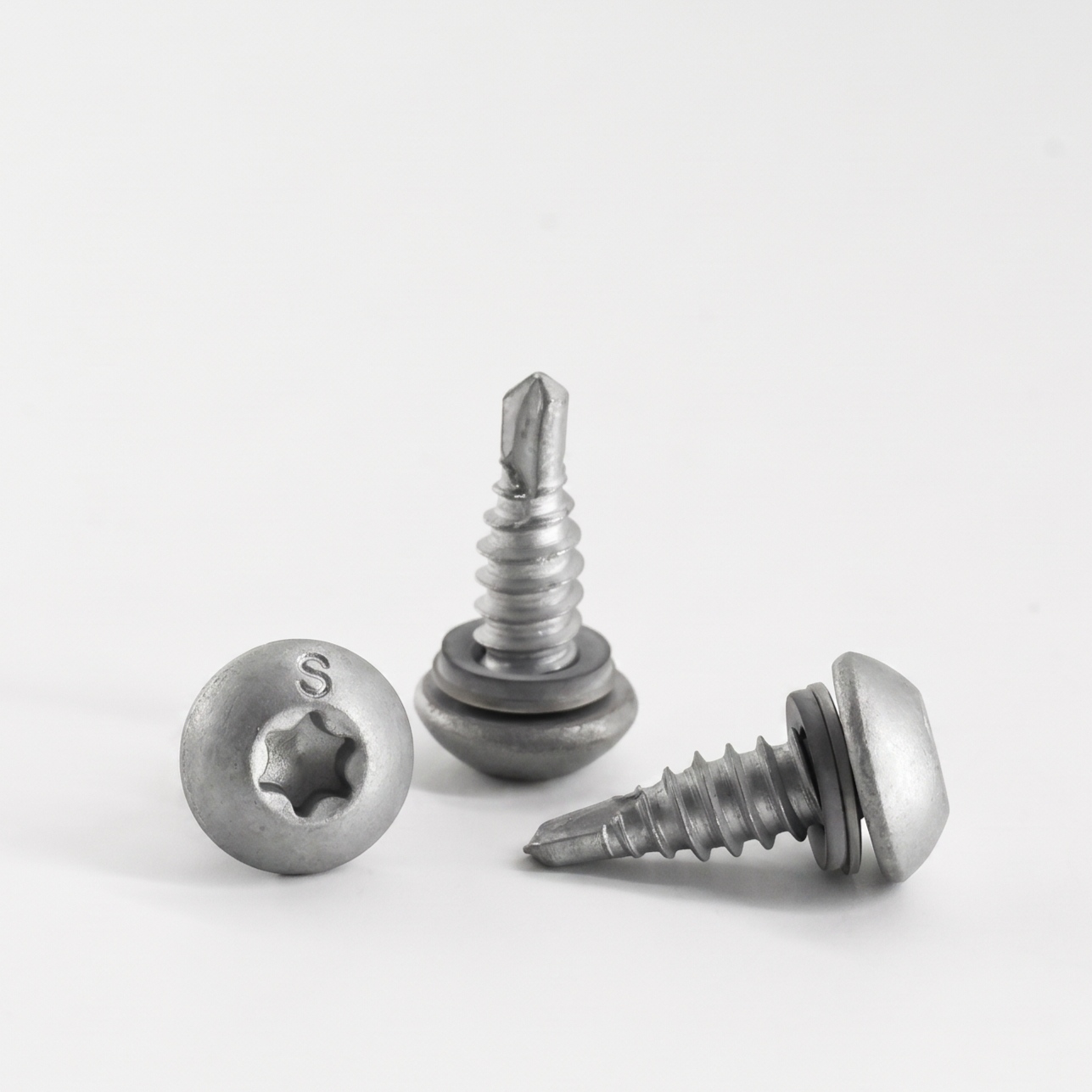
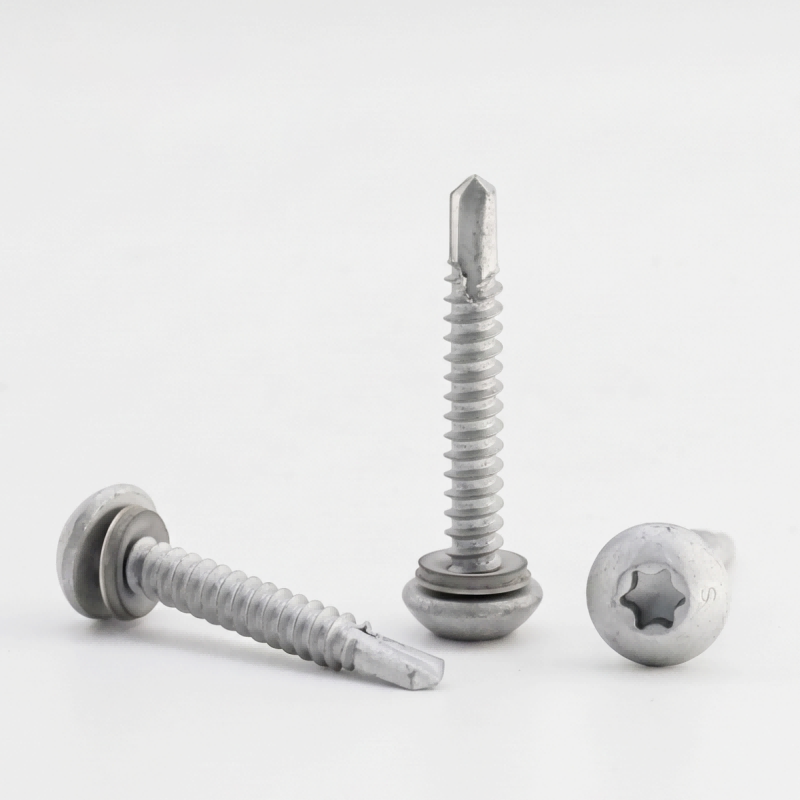
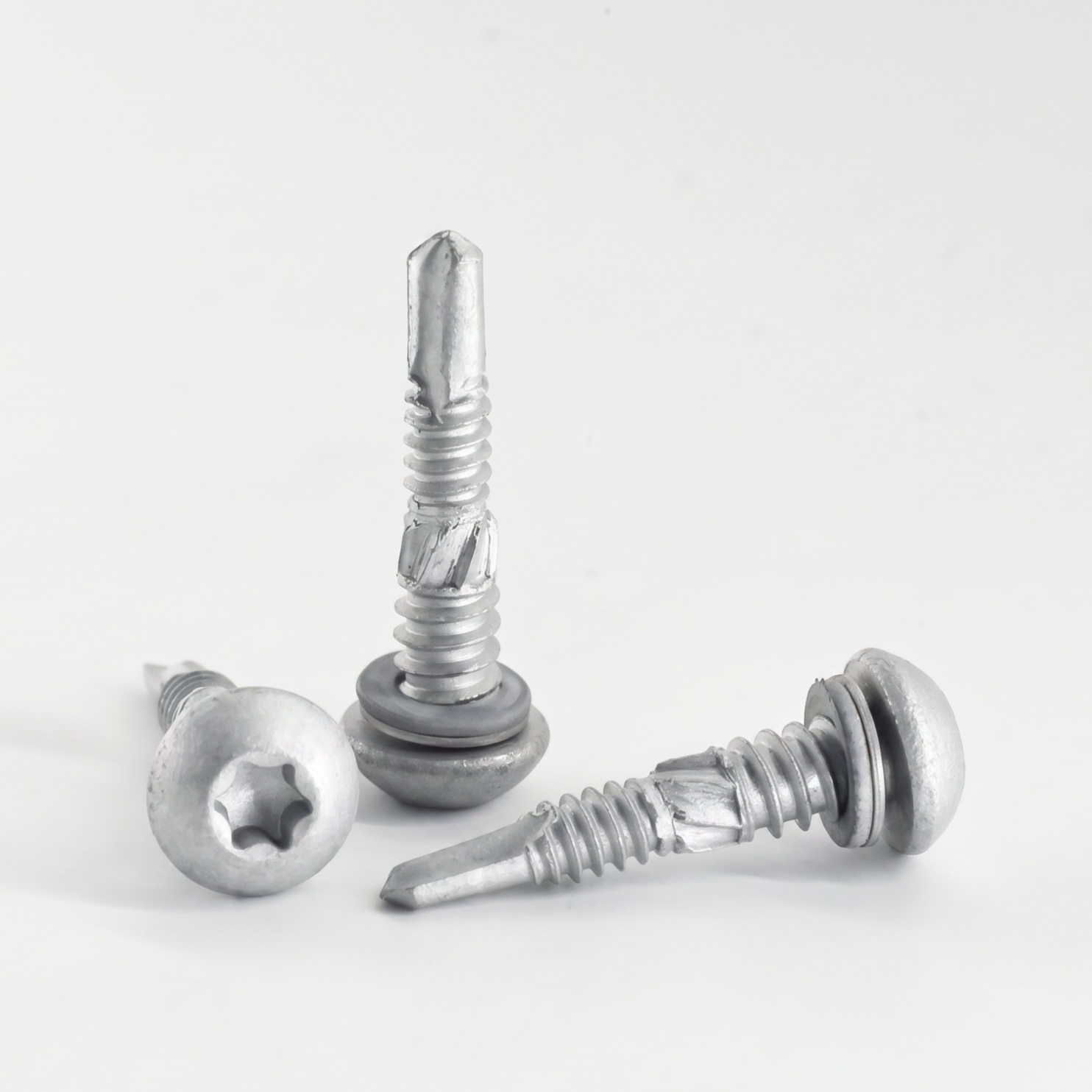
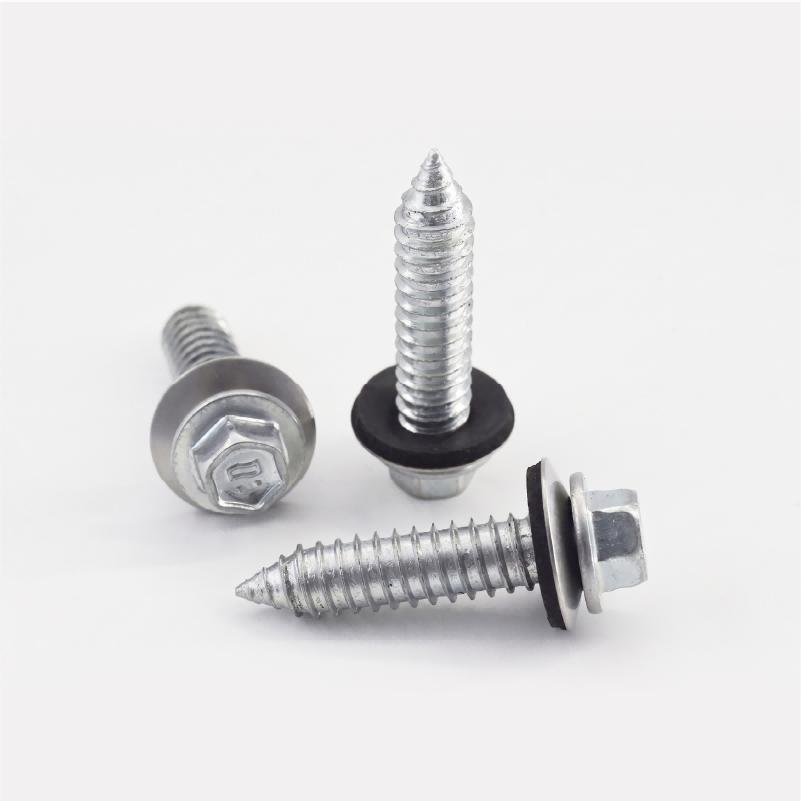
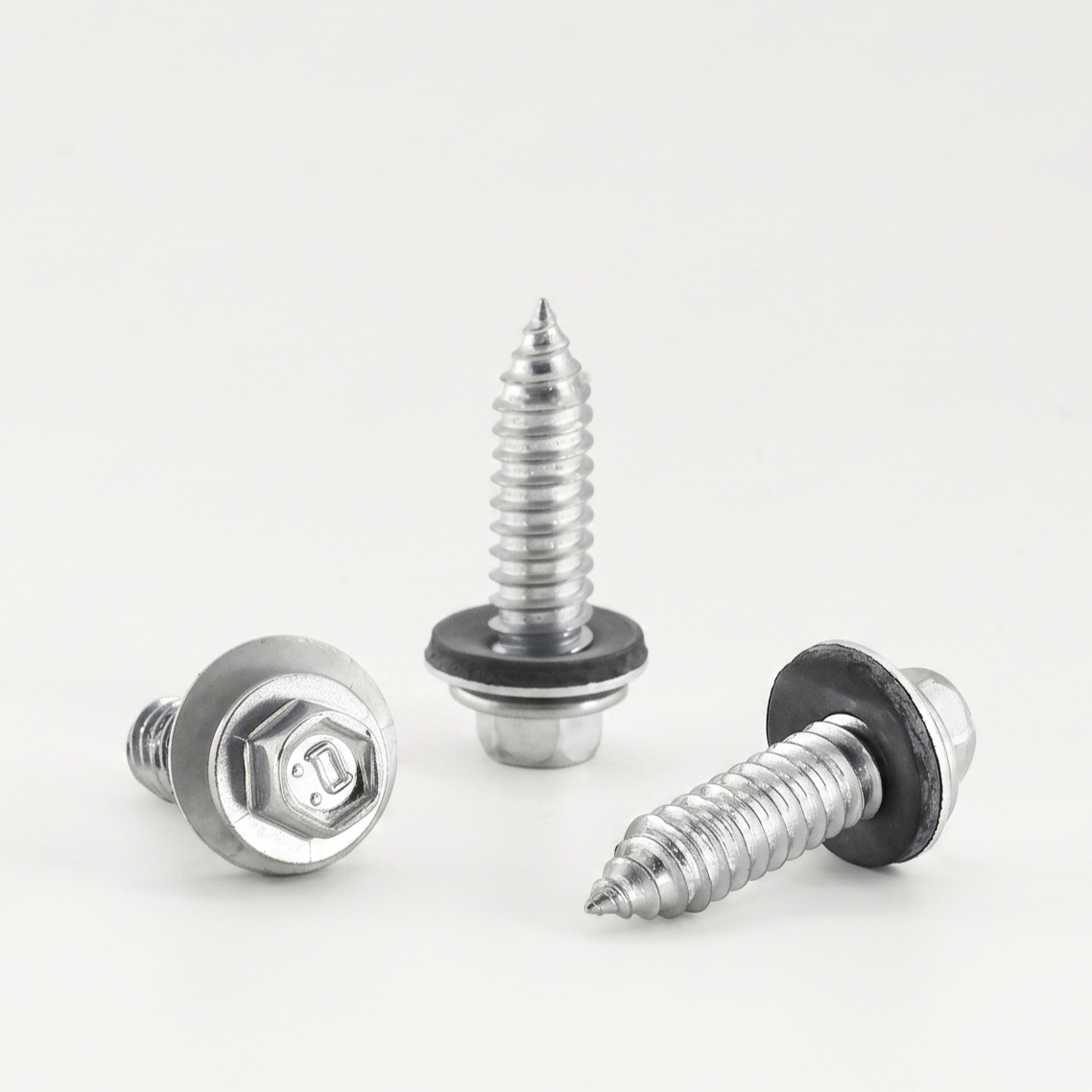
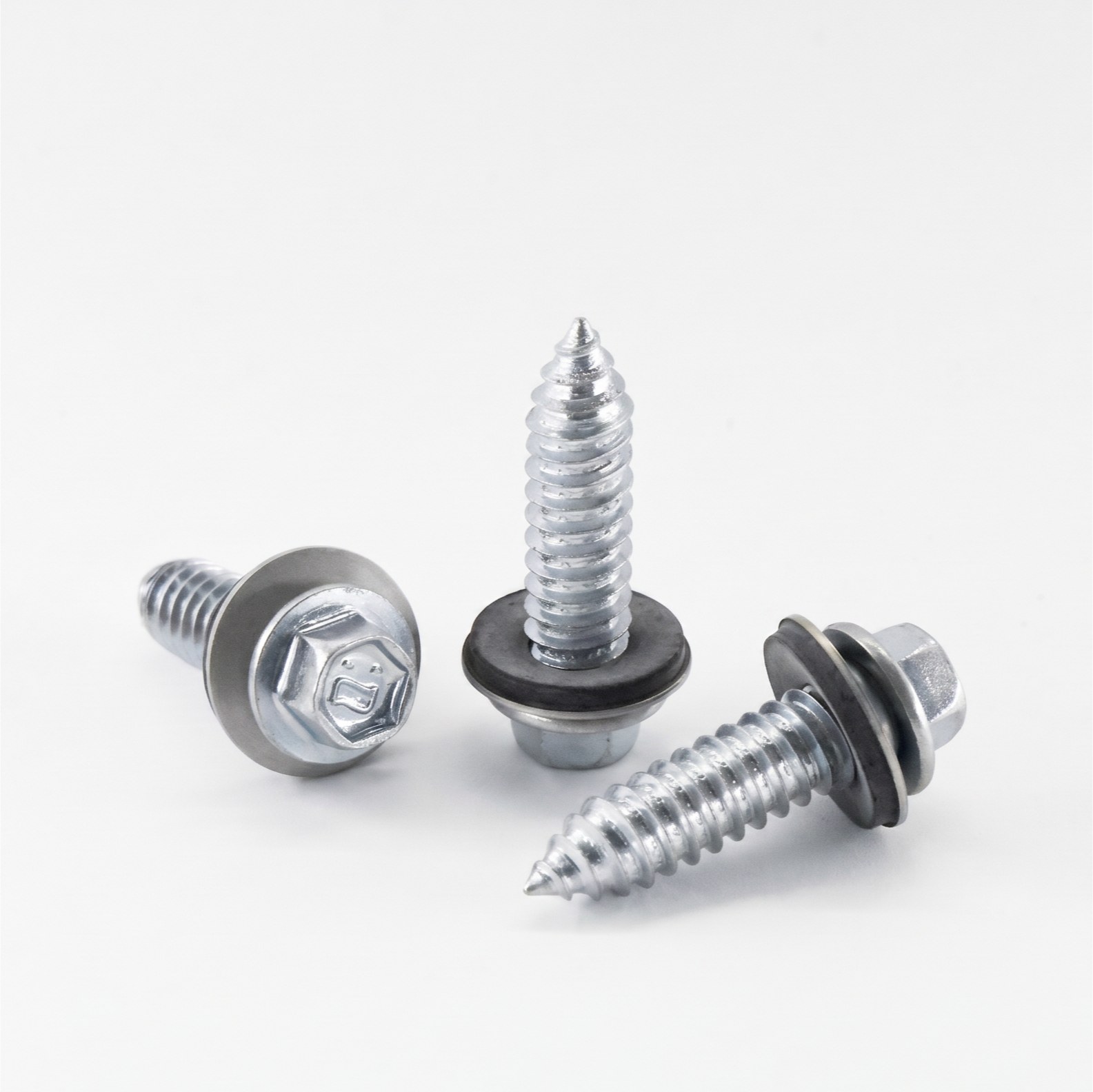

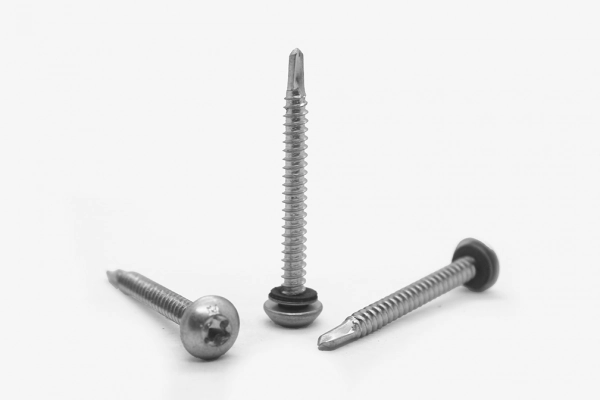
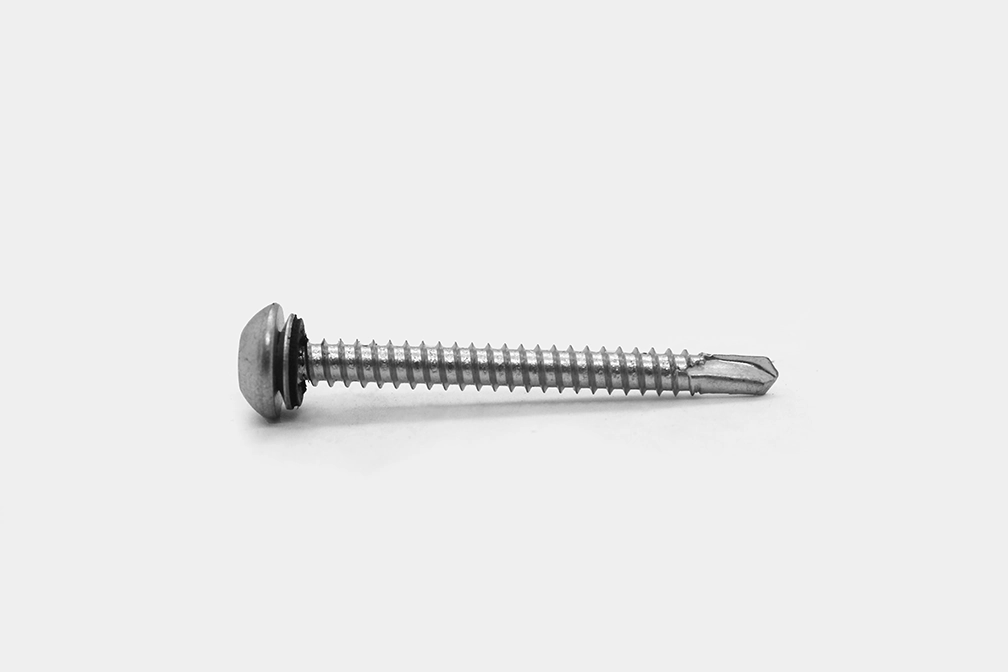
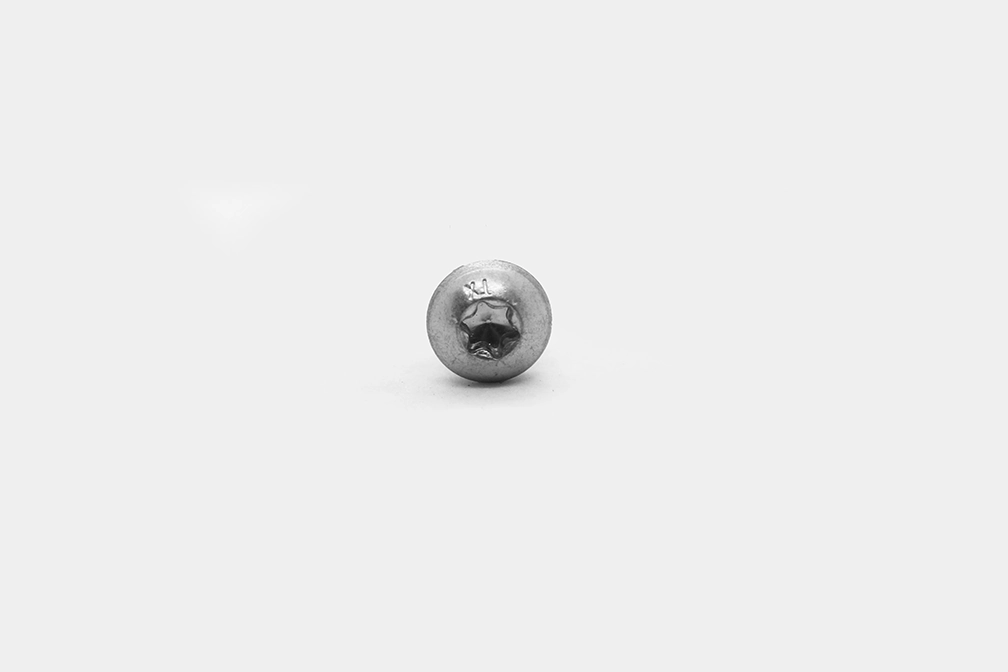
- Standard Number: GB/T 3098
- Material: Carbon steel
- Drive tool: Internal hex
I. Advantages of Internal Hexagon Sockets
Internal hexagon socket head cap screws are among the most widely used and demanding types of fasteners. Their key advantages include high clamping force, ease of operation using an internal hex wrench, and convenient installation. They are suitable for virtually all structural applications and offer an aesthetically pleasing, uniform appearance.
Applications of Internal Hexagon Socket Head Cap Screws: These screws find extensive use in high-speed rail, automotive, machinery, moulding, electronics, and construction sectors.
II. Advantages and Applications of Galvanisation
Galvanisation denotes a surface treatment technique where zinc is applied to metals, alloys, or other materials to enhance aesthetics and prevent corrosion. The primary method employed is hot-dip galvanisation.
Zinc readily dissolves in acids and also in alkalis, hence its classification as an amphoteric metal. It remains virtually unchanged in dry air. In humid air, a dense basic zinc carbonate film forms on its surface. Zinc exhibits poor corrosion resistance in atmospheres containing sulphur dioxide, hydrogen sulphide, or marine environments. Particularly in high-temperature, high-humidity conditions with organic acids present, zinc coatings are highly susceptible to corrosion. With a standard electrode potential of -0.76V, zinc coatings act as anodic layers relative to steel substrates. Primarily employed to prevent steel corrosion, their protective efficacy is highly dependent on coating thickness. Zinc coatings undergo passivation, dyeing, or application of brighteners to significantly enhance both protective and decorative properties.
Galvanising is the process of applying a zinc coating to steel or iron surfaces. As zinc acts as a sacrificial coating, it protects the underlying steel or iron, thereby extending the service life of metal components.
However, galvanising is a complex process that can be undertaken in multiple ways. Different forms of galvanising exist, including hot-dip galvanising and thermal diffusion galvanising, each variation possessing distinct advantages and disadvantages. Consequently, understanding the different forms of galvanising is beneficial before incorporating it into prototyping or manufacturing projects.
Galvanised metal is more prevalent than one might imagine. Structures such as building frames, metal benches, balconies, ladders, and fire escapes can be fabricated from galvanised metal to ensure extended service life and adequate protection against corrosion and damage. Further examples can be found in automotive components and electrical appliances.
Moreover, galvanised steel and galvanised iron can be utilised in diverse manufacturing processes, from sheet metal fabrication to CNC machining, establishing it as a primary technique within the manufacturing sector.
Blocking Corrosive Substances: The zinc coating on galvanised metal prevents corrosive substances from reaching the weaker underlying base metal. This extends the service life of the substrate, particularly in demanding applications.
(1) Advantages of Galvanising
Rust Prevention: Galvanising significantly delays rust formation.
Creates a Sacrificial Anode: The zinc coating is consumed by corrosive elements, thus protecting the underlying metal until it is entirely depleted. Even if scratches penetrate the coating, the zinc will be exhausted before the base metal is affected.
Durability: The zinc coating formed through galvanisation is tough and enduring, typically providing decades of protection for the underlying metal.
Cost-effectiveness: Galvanisation is a relatively straightforward and affordable process, delivering substantial benefits at minimal expense.
Thick coating formation: Whilst not suitable for all applications, galvanisation produces thicker coatings than methods such as electroplating.
(2) Applications of Galvanising
Its ability to prevent steel corrosion makes galvanising widely used across multiple industries.
The most common application is galvanised steel for construction: hundreds of thousands of tonnes of galvanised structural steel are produced annually to manufacture building frames, street furniture, fire escapes, ladders, balconies, and similar structures.
Galvanised steel is also prevalent in the automotive industry, forming rust-resistant components including much of a vehicle’s “white body” – its skeletal foundation. Bumpers, cross-members, frames, and chassis may likewise be constructed from galvanised steel.
Rust prevention proves an ideal feature for the telecommunications sector, where telephone lines and electrical cabinets endure daily exposure to the elements. Galvanisation helps prolong the service life of such items.
(3) Fabrication with Galvanised Metal
Galvanised materials are widely employed as galvanised sheet metal, suitable for sheet metal fabrication processes such as bending and stamping, or as galvanised metal bars, tubes, and rods for processes like CNC machining.
Galvanised materials are often easy to process because the zinc coating is softer than the underlying steel.
Galvanised metal can also be welded, though zinc emits hazardous fumes, making adequate ventilation essential. Painting is not particularly effective on galvanised steel or iron unless the material has undergone galvanisation.
(4) Performance Characteristics of Galvanisation
A thick, dense layer of pure zinc coats the surface of steel fasteners, preventing contact between the steel substrate and any corrosive solutions, thereby protecting the fastener base material from corrosion. In normal atmospheric conditions, a thin, compact layer of zinc oxide forms on the surface of the zinc coating. This layer is highly insoluble in water, thereby offering significant protection to the steel fastener substrate. Should the zinc oxide react with other atmospheric components to form insoluble zinc salts, the corrosion resistance becomes even more effective. The presence of a zinc-iron alloy layer, tightly bonded, exhibits exceptional corrosion resistance in marine salt spray atmospheres and industrial environments. Due to its strong adhesion and the mutual solubility of zinc and iron, it possesses considerable wear resistance. Owing to zinc’s excellent ductility, the alloy layer adheres firmly to the steel substrate. Consequently, hot-dip galvanised components can undergo cold forming processes such as stamping, rolling, wire drawing, and bending without damaging the coating. Following hot-dip galvanisation, steel structural components undergo an equivalent annealing treatment, effectively enhancing the mechanical properties of the steel substrate and relieving stresses introduced during forming and welding. This facilitates subsequent machining operations such as turning. Fasteners exhibit a bright, aesthetically pleasing surface after hot-dip galvanisation. The pure zinc layer constitutes the most ductile component of the hot-dip galvanised coating, exhibiting properties closely resembling pure zinc with excellent malleability.


