


Resumo
Sim, Pregos de aço-carbono galvanizados provide reliable rust resistance by combining the strength of carbon steel with a protective zinc coating. The zinc layer helps prevent corrosion by shielding the steel substrate from moisture and providing sacrificial protection in outdoor environments.
However, the corrosion performance of Galvanised Carbon Steel Nails depends on several factors, including the galvanising method, zinc coating thickness, application conditions, and compliance with industry standards. Choosing the right specification is essential for achieving long-lasting fastening performance.
This article explains how galvanised coatings protect carbon steel nails, compares different galvanising methods, and examines key factors such as corrosion resistance, technical standards, and application requirements. It also provides practical guidance for selecting reliable fastening solutions for roofing, fencing, timber framing, and other construction projects.
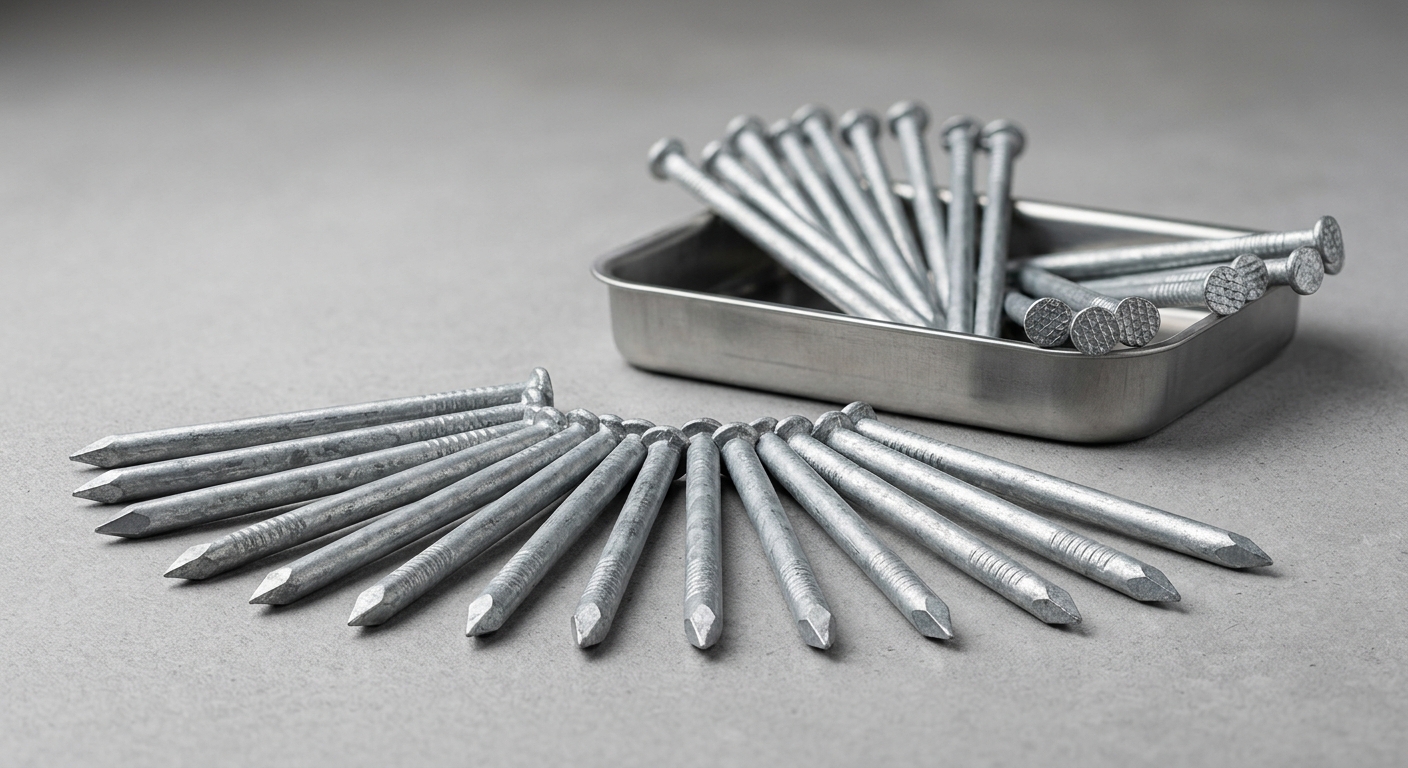
How Galvanising Works on Carbon Steel Nails
Why Carbon Steel Nails Need Corrosion Protection
Carbon steel is widely used for construction fasteners because it offers a strong balance of tensile strength, machinability, and cost efficiency. However, its high iron content also makes it naturally vulnerable to oxidation when exposed to moisture and oxygen.
Without protective treatment, carbon steel nails can gradually develop rust, especially in humid, coastal, or chemically aggressive environments. For applications such as roofing, timber framing, and fencing, corrosion can reduce nail strength, weaken holding performance, and cause staining or damage to surrounding materials.
For this reason, Pregos de aço-carbono galvanizados are commonly selected for outdoor and semi-exposed applications. Their zinc coating provides an additional protective layer that improves corrosion resistance and extends fastening service life.
The Zinc Coating Process: Hot-Dip vs. Electro-Galvanising
Two primary galvanising methods are commonly used for producing Pregos de aço-carbono galvanizados, and each method offers different levels of corrosion protection, coating thickness, and application suitability.
Hot-Dip Galvanising involves immersing cleaned carbon steel nails into molten zinc at approximately 450°C. This process creates a metallurgical bond between the zinc coating and the steel substrate, resulting in a thicker and more durable protective layer, typically ranging from 45 µm to 85 µm.
The slightly rough surface produced by hot-dip galvanising can also improve nail grip in timber applications. Due to its superior coating performance, hot-dip Pregos de aço-carbono galvanizados are widely preferred for structural outdoor applications, including roofing, fencing, and heavy-duty construction projects.
Electro-Galvanising applies zinc to the nail surface through an electrochemical plating process. Compared with hot-dip galvanising, this method produces a thinner coating, typically around 5 µm to 25 µm, with a smoother and more uniform appearance.
Electro-galvanised nails are suitable for indoor joinery, furniture assembly, and light-duty applications where exposure to moisture is limited. However, their lower coating thickness provides less corrosion protection in demanding outdoor environments.
| Parâmetro | Galvanizado por imersão a quente | Electro-Galvanised |
|---|---|---|
| Espessura do revestimento | 45–85 µm | 5–25 µm |
| Bond Type | Metallurgical | Adhesive |
| Surface Finish | Rough/matte | Smooth/bright |
| Resistência à Corrosão | Elevado | Moderate–Low |
| Typical Use | Structural outdoor | Interior/light-duty |
Zinc as a Sacrificial Barrier: Corrosion Protection Mechanism
Zinc protects carbon steel through two simultaneous mechanisms. First, it acts as a physical barrier, sealing the steel substrate from direct contact with moisture and oxygen. Second — and more importantly — zinc functions as a sacrificial anode. Because zinc is electrochemically less noble than iron, it oxidises preferentially when both metals are present in an electrolytic environment. This galvanic protection means that even if the zinc coating is scratched or partially damaged, the surrounding zinc continues to corrode preferentially, actively protecting the exposed steel beneath.
This sacrificial mechanism is what distinguishes galvanised nails from simple paint-coated or polymer-coated alternatives. Paint barriers fail catastrophically once breached; zinc continues to provide electrochemical protection at the breach point until the surrounding coating is depleted.
What Determines the Rust Resistance of Galvanised Carbon Steel Nails?
Coating Thickness, Salt Spray Testing & Key Technical Parameters
The corrosion resistance and service life of Pregos de aço-carbono galvanizados are largely influenced by zinc coating thickness, galvanising method, and environmental exposure conditions. A thicker and more uniform zinc layer generally provides stronger protection by delaying corrosion of the carbon steel substrate.
When specifying Pregos de aço-carbono galvanizados, buyers should evaluate coating performance based on recognised testing methods and applicable galvanising standards. Key factors include:
| Parâmetro | Galvanizado por imersão a quente | Electro-Galvanised |
|---|---|---|
| Typical Coating Thickness | 45–85 µm | 5–25 µm |
| Zinc Bonding Method | Metallurgical bond | Electrochemical plating |
| Resistência à Corrosão | Elevado | Moderado |
| Recommended Applications | Outdoor construction, roofing, fencing, structural fastening | Indoor assembly, light-duty applications |
Beyond zinc coating thickness, several technical parameters affect the performance of Pregos de aço-carbono galvanizados:
- Nail shank diameter and length: Determine withdrawal resistance, holding strength, and suitability for different substrates.
- Shank profile: Smooth, ring-shank, and spiral designs provide different levels of grip. Ring-shank nails can offer significantly higher withdrawal resistance in timber applications.
- Point geometry: Diamond, blunt, and chisel points are selected according to material hardness and installation requirements.
- Steel hardness and tensile strength: Influence driving performance and durability, especially in hardwood or heavy-duty applications.
Relevant Compliance Standards: ASTM, BS EN & ISO References
For construction and industrial applications, buyers should verify that Pregos de aço-carbono galvanizados comply with recognised coating and corrosion-resistance standards. Commonly referenced standards include:
- ASTM A153/A153M: Specification for zinc coating (hot-dip) on iron and steel hardware. This standard is widely referenced for hot-dip galvanised fasteners in North American markets.
- BS EN ISO 1461: Specifies requirements for hot-dip galvanised coatings on fabricated iron and steel products, including coating thickness requirements based on material categories.
- ISO 9227: Defines salt spray test procedures used to evaluate the corrosion resistance of protective coatings.
- AS 3566: Covers corrosion resistance classifications for fasteners used in Australian building and construction applications.
Before placing bulk orders, procurement teams should request relevant quality documentation, such as coating thickness reports, material test reports, and third-party corrosion testing certificates. These records help verify product consistency and ensure that Pregos de aço-carbono galvanizados meet project-specific performance requirements.
Application Scenarios & Material Compatibility
Construction, Roofing & Fencing: Field Performance Overview
- Pregos de aço-carbono galvanizados are widely used in construction, roofing, fencing, and outdoor fastening applications. However, selecting the right nail specification is essential because corrosion resistance requirements vary depending on environmental exposure, moisture levels, and substrate conditions.
- Roofing applications require fasteners with reliable corrosion resistance because roofs are continuously exposed to rain, humidity, temperature changes, and outdoor weather conditions. Hot-dip Pregos de aço-carbono galvanizados are commonly used for asphalt shingles, timber battens, and roofing structures due to their thicker zinc coating, strong corrosion protection, and excellent holding performance. Ring-shank designs also improve pull-out resistance and fastening stability under wind loads.
- Timber framing and structural joinery typically require hot-dip galvanised fasteners that meet relevant coating standards such as ASTM A153 or equivalent specifications. In wall cavities and semi-enclosed structures, moisture condensation can accelerate corrosion, making standard electro-galvanised nails less suitable for long-term performance.
- Fencing applications involve direct exposure to rain, soil moisture, and outdoor temperature fluctuations. For fence posts, rails, and treated timber structures, corrosion-resistant Pregos de aço-carbono galvanizados with appropriate zinc coating levels help maintain fastening strength and extend service life.
Limitations: When Galvanised Nails May Not Be Sufficient
Although Pregos de aço-carbono galvanizados provide excellent corrosion resistance in many applications, certain environments can accelerate zinc coating degradation. In these situations, buyers should carefully evaluate whether additional corrosion protection is required.
- Acidic timber and treated wood:
Certain wood species, including western red cedar and redwood, contain natural acids and tannins that may accelerate zinc corrosion. Some treated lumber products, such as ACQ (alkaline copper quaternary) and CA (copper azole) treated wood, can also create more aggressive conditions for standard galvanised coatings. For long-term structural connections, hot-dip galvanised nails meeting ASTM A153 or stainless steel fasteners may provide better durability. - Marine and coastal environments:
Salt exposure significantly increases corrosion risk because chloride ions accelerate metal degradation. For structures located near coastal areas, higher-grade hot-dip galvanised coatings or stainless steel alternatives should be considered based on project requirements and expected service life. - Chemical exposure environments:
Industrial areas containing sulphur dioxide, ammonia, chlorine compounds, or other corrosive substances may reduce zinc coating performance. In these applications, specialised coatings or stainless steel fasteners may be more appropriate than standard galvanised options.
Indoor vs. Outdoor Applications: Choosing the Right Nail Type
The ideal fastener coating depends largely on the application environment. For dry indoor projects such as interior trim, flooring, and cabinetry, electro-galvanised or uncoated carbon steel nails may provide sufficient performance at a lower cost.
For outdoor construction, exposed timber structures, and high-moisture environments, Pregos de aço-carbono galvanizados offer better protection against corrosion and longer fastening life. Matching the coating type to actual exposure conditions helps avoid unnecessary costs while ensuring reliable performance where it matters most.
Procurement & Commercial Value Assessment
Why Galvanised Carbon Steel Nails Offer Better Long-Term Value Than Standard Steel Nails
The initial cost of Pregos de aço-carbono galvanizados is usually higher than standard uncoated steel nails due to the additional zinc coating process. However, for outdoor and high-moisture applications, the long-term value of galvanised fasteners is often greater because they reduce corrosion-related maintenance, replacement, and structural risks.
A total cost of ownership (TCO) evaluation should consider more than the initial purchase price:
- Lower replacement and maintenance costs: Corroded nails used in roofing, fencing, and outdoor timber structures may require labour-intensive removal and replacement. Selecting corrosion-resistant Pregos de aço-carbono galvanizados helps reduce maintenance frequency and avoid unnecessary repair expenses.
- Improved project reliability and warranty compliance: Many construction systems specify galvanised or stainless steel fasteners to maintain product performance and warranty requirements. Using fasteners with insufficient corrosion protection may affect the durability of roofing materials, engineered timber, and exterior cladding systems.
- Reduced staining and material damage: Rust staining from corroded fasteners can permanently affect timber, masonry, and fibre cement surfaces. Choosing suitable galvanised fasteners helps protect both structural performance and finished appearance.
For construction companies, distributors, and procurement professionals, selecting the correct galvanising method and coating specification at the purchasing stage is an effective way to minimise lifecycle costs and improve long-term fastening reliability.
Packaging, MOQ & Supply Chain Considerations
Pregos de aço-carbono galvanizados are available in different packaging formats to meet various project and installation requirements:
| Packaging Type | Typical Application | Advantages |
|---|---|---|
| Bulk/loose boxes (25 kg) | High-volume construction, framing, roofing projects | Cost-efficient for large-scale applications |
| Collated strips or coils | Pneumatic nail gun applications | Improves installation efficiency and supports automated fastening |
| Retail boxes (1–5 kg) | Small contractors and maintenance projects | Convenient for low-volume requirements |
When sourcing Pregos de aço-carbono galvanizados directly from manufacturers, buyers should consider minimum order quantity (MOQ), production capacity, lead time, and customisation requirements. Standard specifications may typically start from several metric tonnes, while customised sizes, coatings, or shank designs may require larger production volumes and longer delivery schedules.
Supplier quality verification is also essential. Buyers should request documentation such as:
- Zinc coating thickness or coating weight test reports
- Dimensional inspection records
- Material test certificates
- Salt spray test results according to ISO 9227
Reliable suppliers should be able to provide consistent quality documentation and technical support to ensure that Pregos de aço-carbono galvanizados meet project requirements before bulk production.
FAQ
Q1: What is the minimum zinc coating thickness required for outdoor structural applications?
For general outdoor structural use, a minimum of G90 (275 g/m² / ~38 µm) is the industry baseline. For harsh environments, coastal proximity, or contact with ACQ/CA-treated timber, hot-dip galvanised nails meeting ASTM A153 (minimum 610 g/m² / ~85 µm) are required. Always cross-reference with the relevant building code and timber treatment manufacturer’s fastener specification.
Q2: Are hot-dip galvanised nails safe to use with pressure-treated (ACQ/CA) lumber?
Hot-dip galvanised nails meeting ASTM A153 are the minimum acceptable specification for ACQ and CA-treated lumber per most building codes and lumber treatment manufacturer guidelines. However, for critical structural connections or high-moisture environments, stainless steel (Type 304 minimum, Type 316 for coastal) is strongly recommended, as even hot-dip coatings can degrade over extended contact with copper-based preservatives.
Q3: How do I verify a supplier’s galvanising quality before placing a bulk order?
Request the following documentation: (1) Third-party salt spray test certificates per ISO 9227 for the specific nail specification; (2) Coating weight test reports per ASTM A90 or equivalent; (3) Material test reports confirming carbon steel substrate grade. For high-value orders, consider commissioning independent laboratory verification of a pre-shipment sample against your specification. Supplier willingness to provide transparent documentation is itself a reliable quality indicator.
Conclusão
Pregos de aço-carbono galvanizados provide reliable rust resistance when the zinc coating, galvanising method, and application environment are properly matched. Hot-dip galvanised nails offer enhanced corrosion protection through a durable zinc layer, sacrificial protection, and compliance with recognised standards such as ASTM A153 and BS EN ISO 1461.
For construction professionals and procurement teams, choosing the right specification is more important than focusing only on initial cost. Evaluating coating performance, quality documentation, and supplier reliability helps ensure long-term fastening performance and reduces maintenance risks.
If you are looking for Pregos de aço-carbono galvanizados with consistent quality, tested corrosion resistance, and flexible supply options, contact Deepfastener to discuss your project requirements and receive a suitable fastening solution.