


I. Advantages and Applications of Waterproof Screws
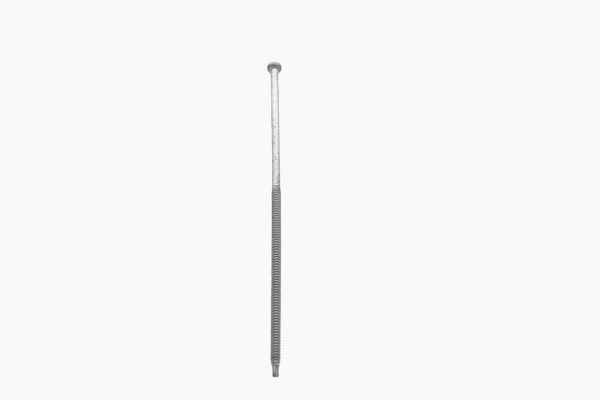
Waterproof screws, as the name suggests, are fasteners with waterproof capabilities. They are commonly used in construction, underground engineering, shipbuilding, and other fields. While resembling standard screws in appearance, their internal sealing materials confer waterproof properties.
1. Features of Waterproof Screws
(1) Excellent Sealing: Waterproof screws utilise multiple sealing materials to effectively prevent water ingress, ensuring leak-free connections.
(2) Corrosion Resistance: Typically crafted from corrosion-resistant materials such as stainless steel or copper, these screws withstand diverse harsh environments.
(3) High-Temperature Tolerance: Capable of enduring elevated temperatures without deformation or damage, offering broad applicability.
(4) Easy installation: Requiring only a standard screwdriver for fitting, these fasteners offer straightforward operation, saving both time and effort.
2. Wide Range of Applications
Waterproof screws find extensive use in construction, underground engineering, and shipbuilding. Within the construction sector, they serve to install roof, wall, and door/window fittings, ensuring buildings remain watertight. In underground engineering, they secure connections for tunnels and drainage pipes, guaranteeing waterproof integrity. In the marine sector, waterproof fasteners are employed for ship hull installations, guaranteeing watertight integrity.
In summary, waterproof fasteners constitute a type of water-resistant connecting element characterised by excellent sealing properties, corrosion resistance, high-temperature tolerance, and ease of installation. They find extensive application across construction, underground engineering, and marine industries.