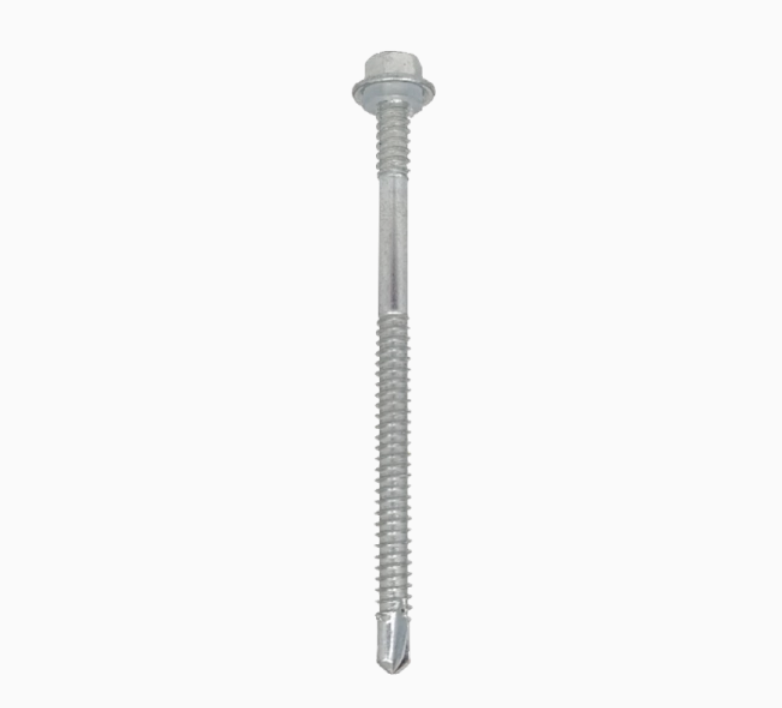
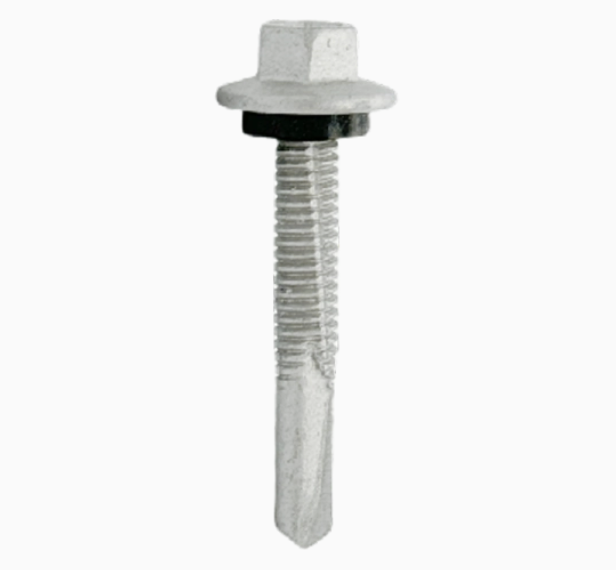
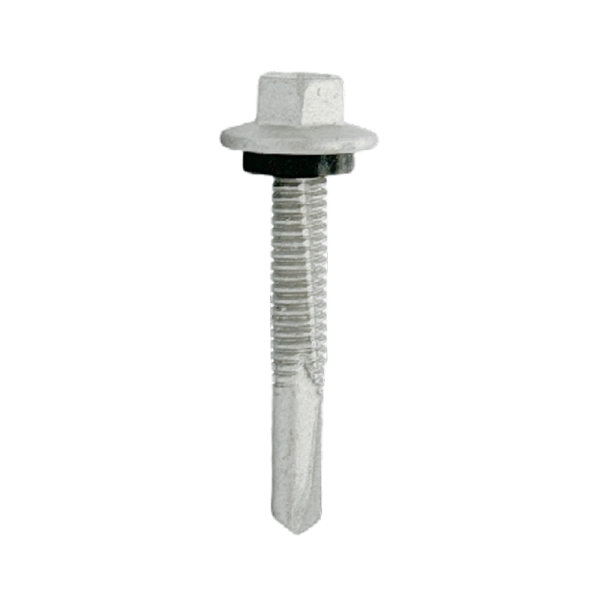
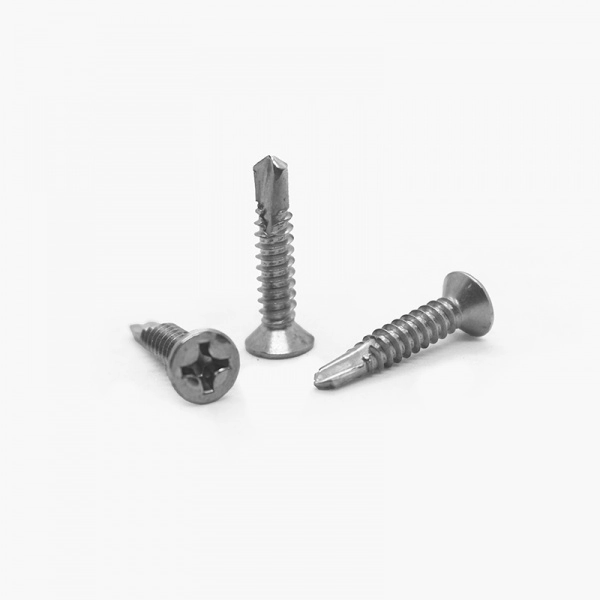
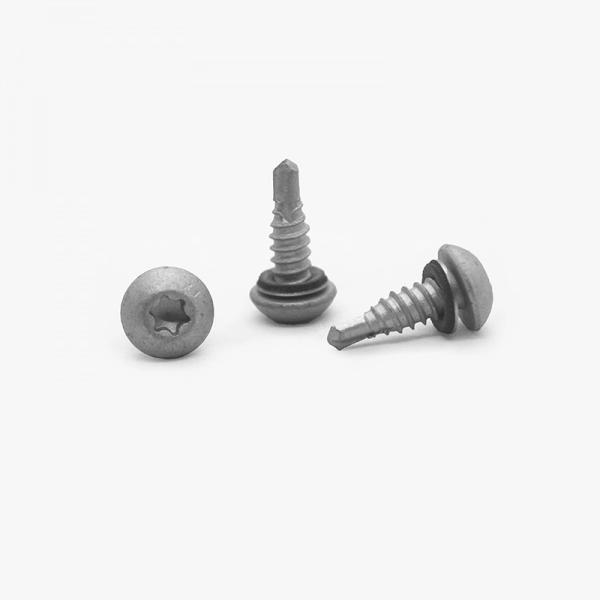
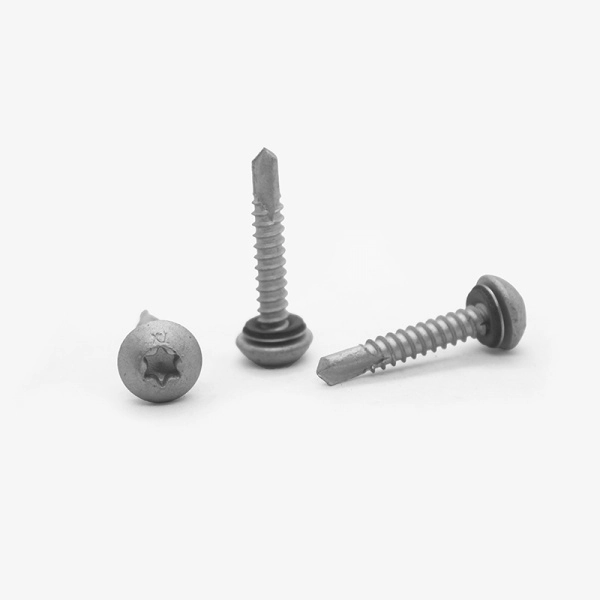
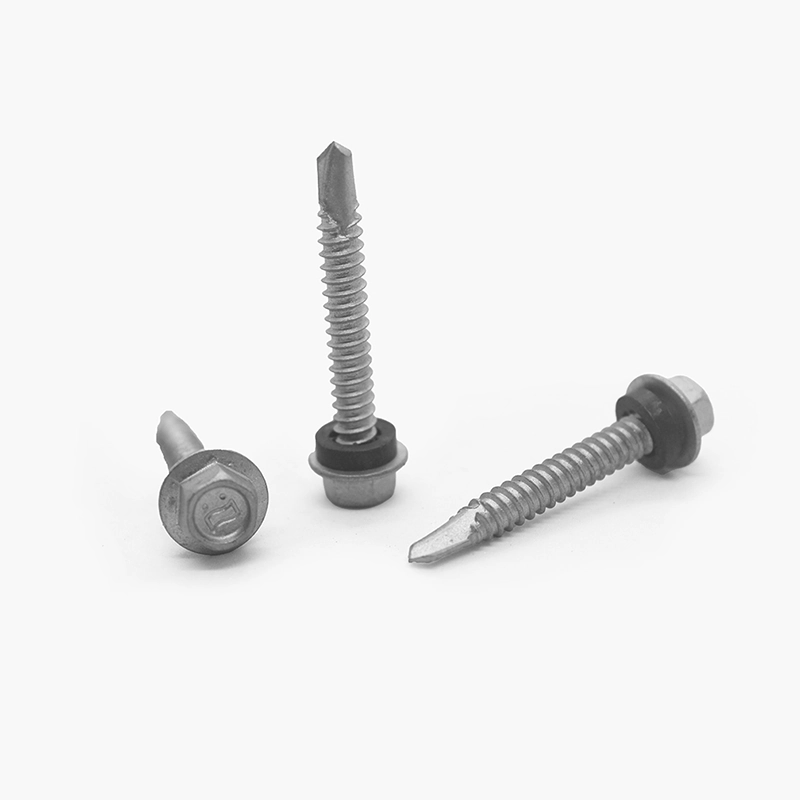
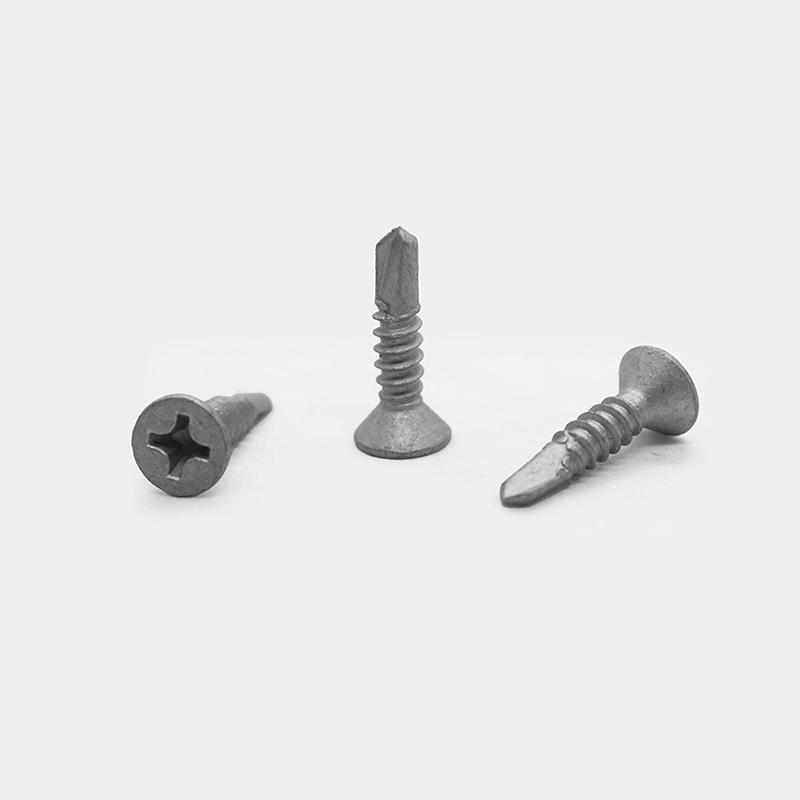
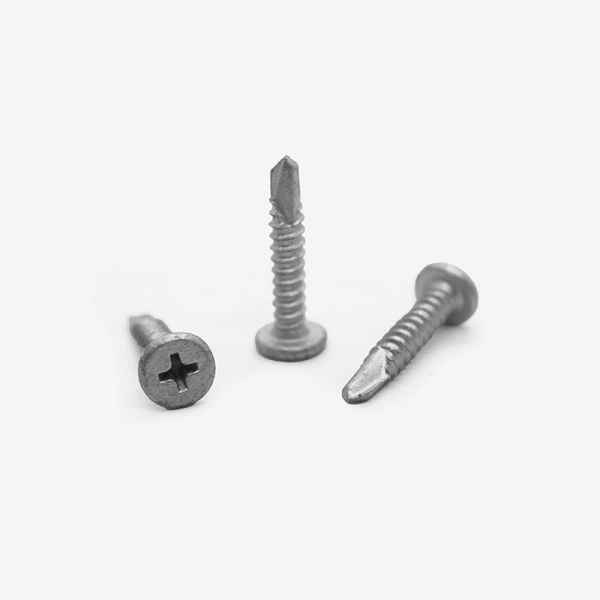
Stainless steel nails are fasteners that resist corrosion and are made from stainless steel alloys like 304, 316, or 410 grade. Unlike carbon steel nails that have surface coatings, stainless steel nails offer natural corrosion resistance throughout the entire material, guaranteeing long-lasting durability even in tough environments.
Thanks to their chromium content (usually ≥10.5%), stainless steel nails develop a passive oxide layer that guards against rust and oxidation. This quality makes them perfect for use in environments exposed to moisture, chemicals, or outdoor conditions.
Key Features:
- They offer excellent resistance to corrosion and rust.
- They are highly durable and have a long service life.
- They provide strong mechanical performance.
- They are suitable for indoor, outdoor, and marine settings.
- They require minimal maintenance.
How to Choose Stainless Steel Nails?
Selecting the correct stainless steel nail depends on the environment, material type, and mechanical requirements.
- Choose the Appropriate Stainless Steel Grade
- 304 Stainless Steel → Suitable for most indoor and outdoor applications
- 316 Stainless Steel → Recommended for marine, coastal, or highly corrosive environments
- 410 Stainless Steel → Higher strength, moderate corrosion resistance (often used where hardness is required)
For saltwater or chemical exposure, 316 grade is generally the best choice.
- Choose the appropriate nail type
- Smooth shank → Suitable for general-purpose fastening
- Ring shank → Offers enhanced pull-out resistance
- Screw shank → Provides superior holding power in wood
- Finishing nails → Ideal for decorative or concealed applications
- Find the correct length and diameter
Nail penetration should be at least 2–3 times the thickness of the top material
A larger diameter boosts shear strength
For hardwood, pre-drilling may help prevent splitting
- Consider Environmental Exposure
- Indoor dry conditions typically require 304-grade stainless steel, which is usually sufficient.
- High humidity or rain exposure calls for 304 or 316 grade stainless steel.
- Saltwater or chemical exposure makes 316 grade stainless steel recommended.
- Balance Budget and Performance
Stainless steel nails cost more initially than carbon steel or galvanized nails, but they offer:
- A longer service life
- Lower maintenance
- A reduced risk of structural staining or rust marks
For long-term or high-exposure projects, stainless steel nails provide better lifecycle value.