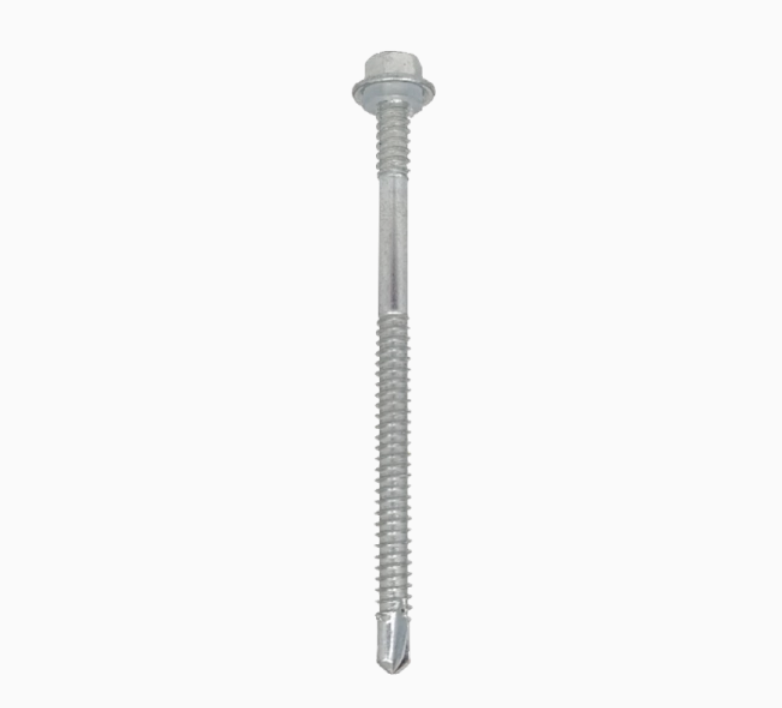
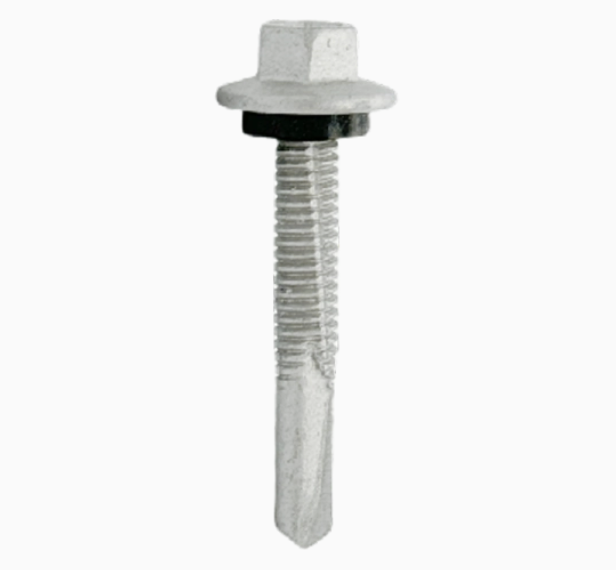
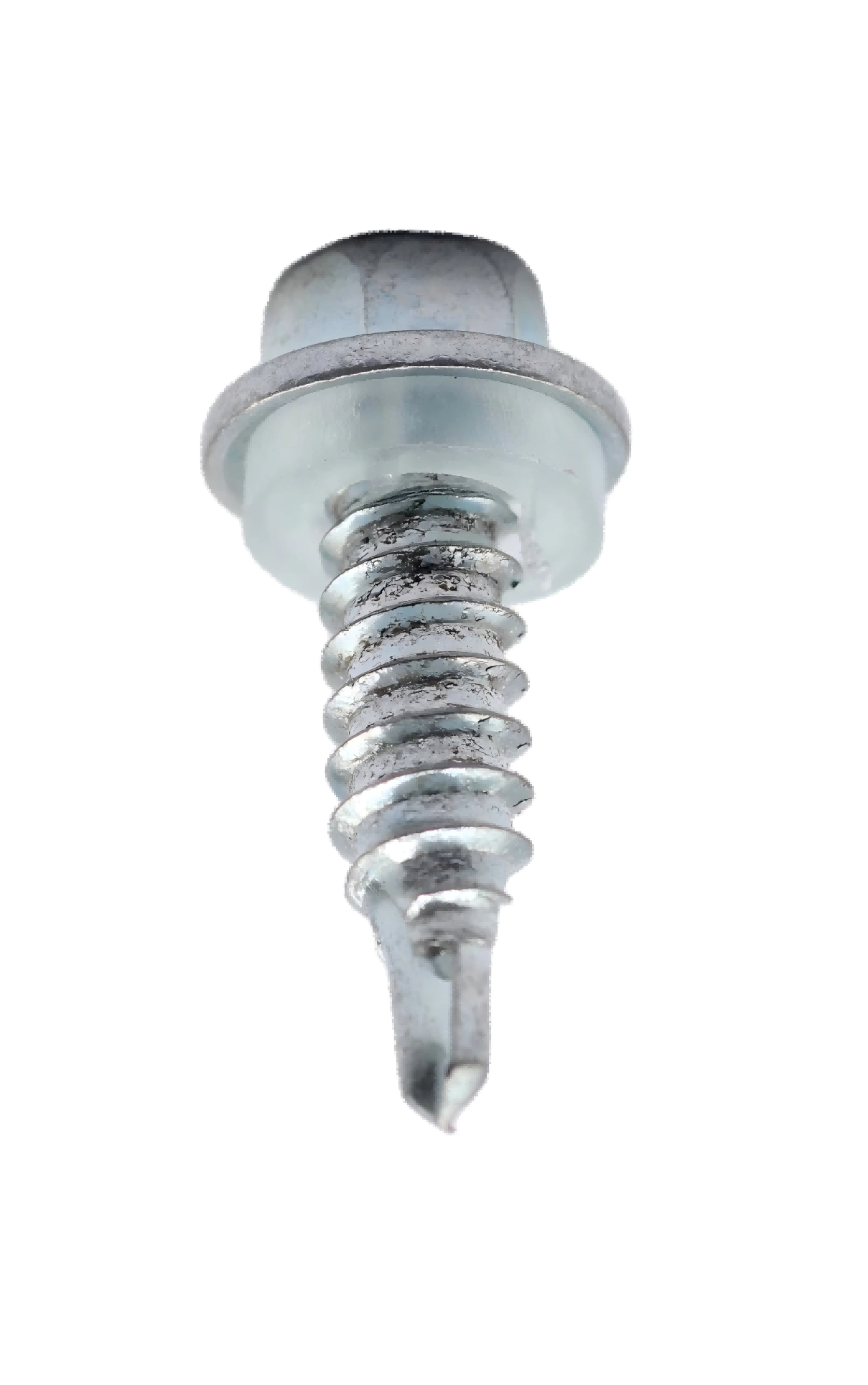
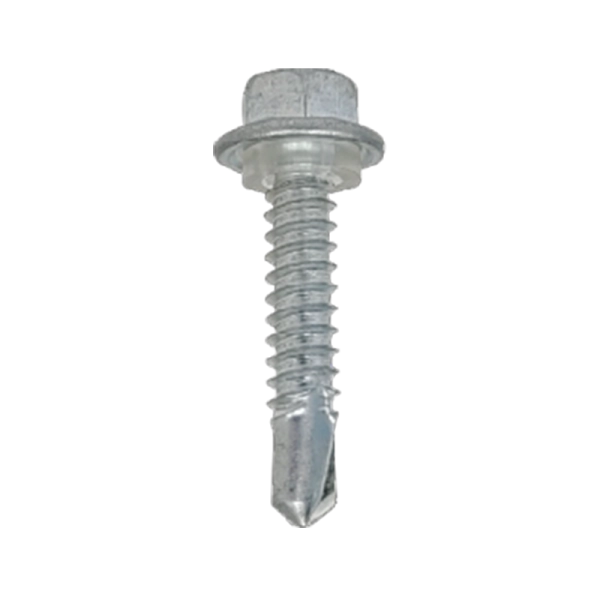
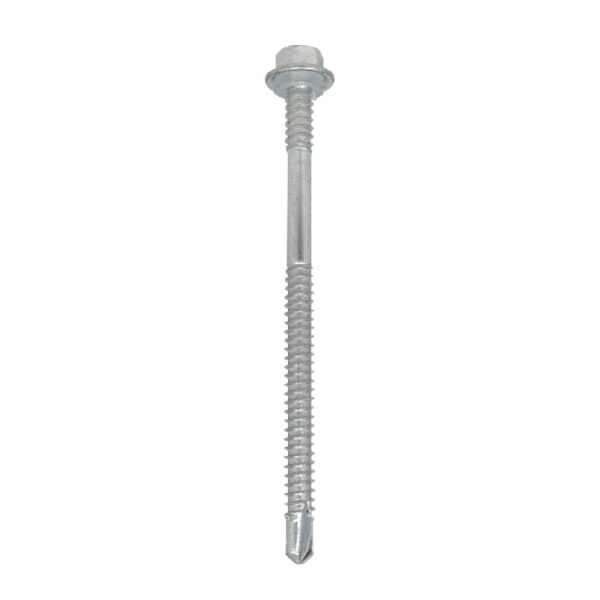
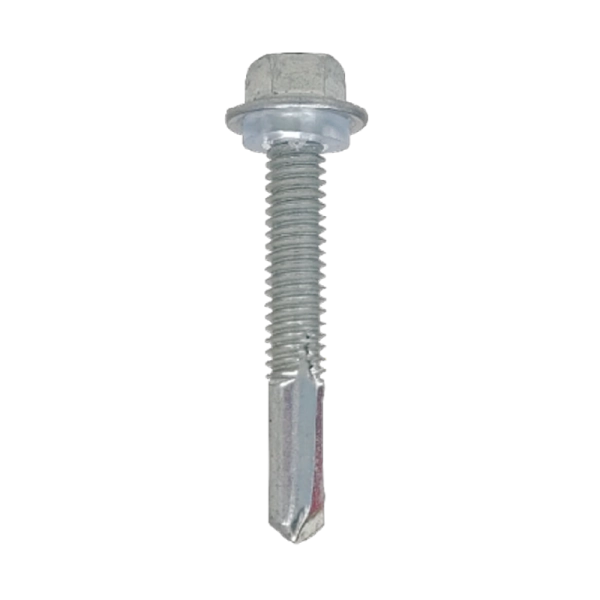
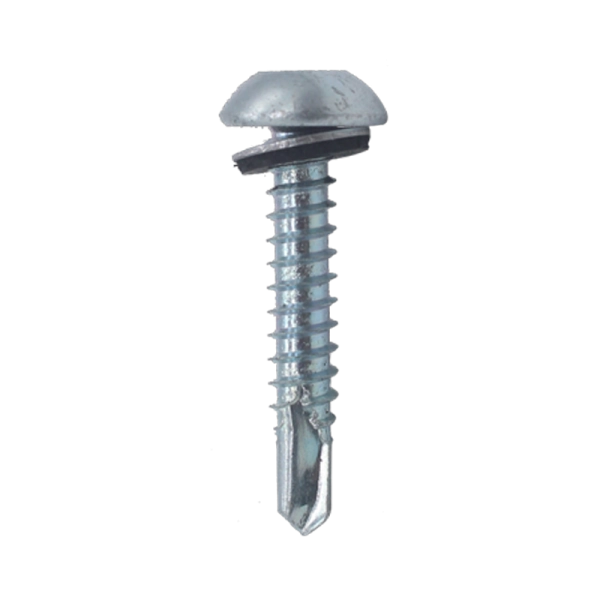
Galvanised carbon steel nails are fasteners made from carbon steel and covered with a protective zinc layer through hot-dip galvanizing or electro-galvanizing methods. The zinc coating serves as a sacrificial barrier, shielding the steel core from rust and corrosion.
Compared to uncoated carbon steel nails, galvanised nails provide much better resistance to corrosion while still offering high tensile strength and affordability. They are commonly utilized in construction and various outdoor projects where moderate weather conditions are anticipated.
Key Features:
- A robust carbon steel core ensures structural integrity.
- A zinc coating offers protection against corrosion.
- An economical choice for outdoor applications.
- They come in hot-dip galvanized or electro-galvanized finishes.
How to Choose Galvanised Carbon Steel Nails?
Selecting the right galvanised nail depends on environmental exposure, structural load, and installation requirements.
- Choose the Galvanizing Type
- Electro-galvanized → Thinner zinc layer, suitable for indoor or light outdoor exposure.
- Hot-dip galvanized → Thicker zinc coating, better corrosion resistance for outdoor and structural applications.
For long-term outdoor use, hot-dip galvanised nails are generally recommended.
- Consider Environmental Conditions
- Dry indoor areas → Electro-galvanized may be sufficient.
- Humid or rainy environments → Hot-dip galvanized preferred.
- Coastal or marine environments → Stainless steel may be a better option.
- Select Proper Nail Type
- Smooth shank → General fastening.
- Ring shank → Higher pull-out resistance.
- Screw shank → Maximum holding power.
- Roofing nails → Wide head for shingles.
- Determine Length and Diameter
- Nail penetration should be 2–3 times the thickness of the top material.
- Larger diameters enhance shear strength.
- Pre-drilling might decrease the risk of splitting in hardwood.
- Assess Load and Structural Needs
For heavy-duty structural uses:
- Opt for a thicker diameter
- Think about a ring or screw shank design.
- Verify compliance with local building standards