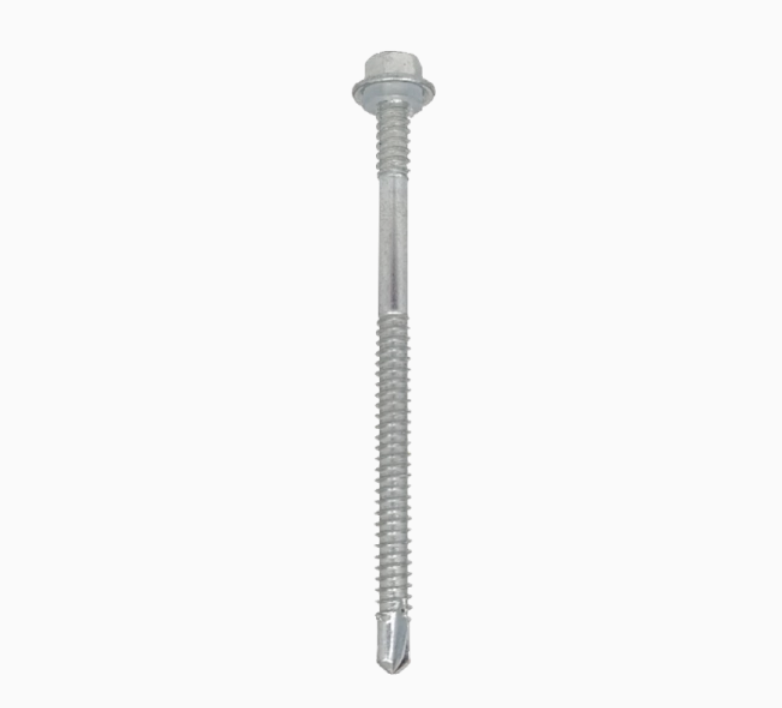
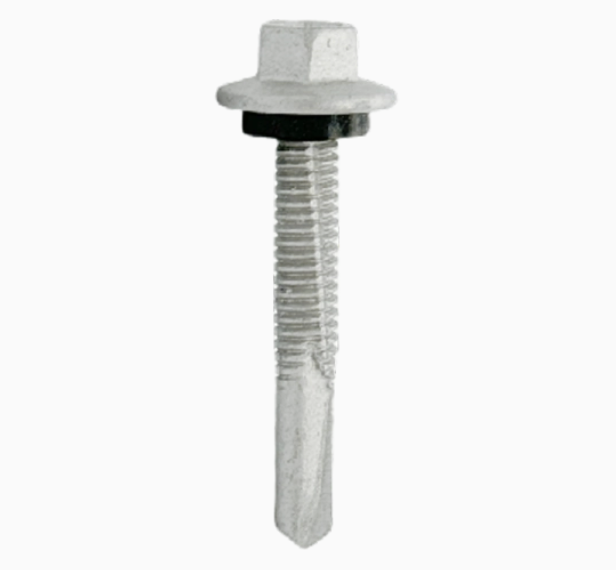
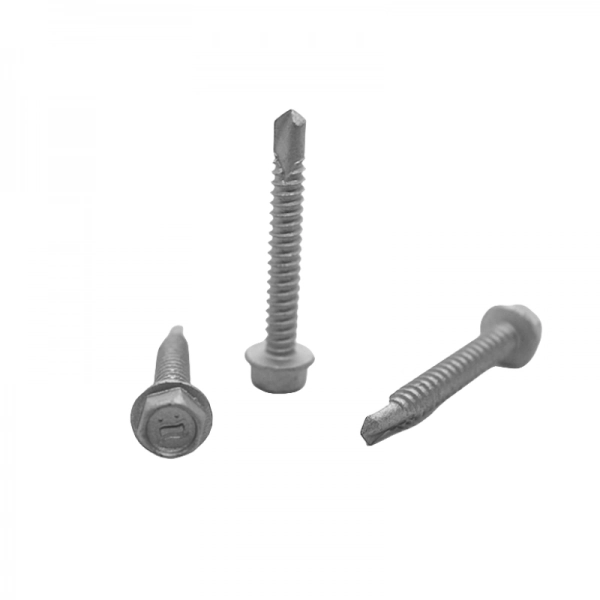
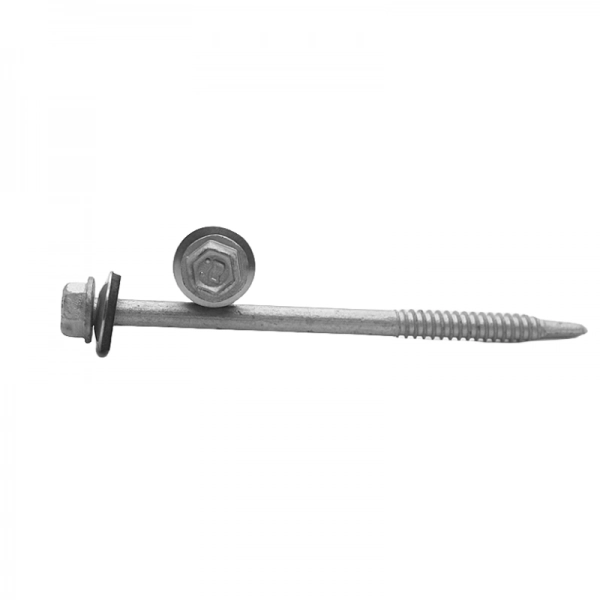
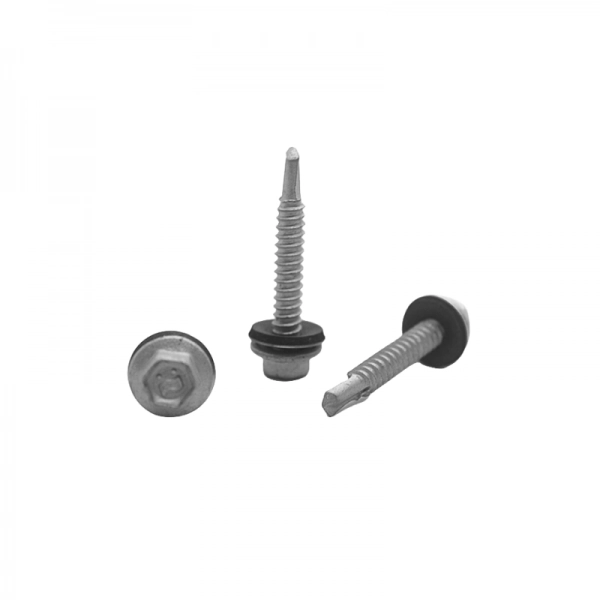
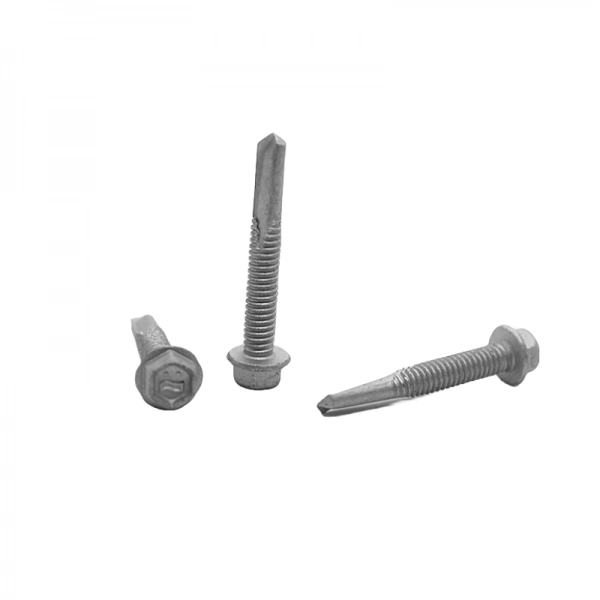
Carbon steel coated nails are fasteners made from high-strength carbon steel and covered with a protective surface coating like epoxy, vinyl, mechanical plating, or anti-corrosion oil film. The core of carbon steel offers outstanding strength and durability, whereas the coating boosts corrosion resistance, increases holding power, and prolongs the service life.
Compared to uncoated carbon steel nails, coated versions excel in humid or semi-outdoor environments while still being cost-effective and strong. They are commonly utilized in construction, industrial assembly, and woodworking projects.
Key Features:
- High-strength carbon steel core
- Protective anti-corrosion layer
- Improved resistance to holding and withdrawal forces
- Lower friction or better bonding, depending on the coating type
- Compatible with both manual and pneumatic nailing systems
How to Choose Carbon Steel Coated Nails?
Choosing the correct carbon steel-coated nail depends on several important factors:
- Choose a suitable coating based on the environment
- Dry indoor environments require only a standard anti-rust coating.
- Humid or semi-outdoor environments should use epoxy or a more corrosion-resistant coating.
- Temporary structures might only need a basic protective coating.
The level of environmental exposure is the main consideration when selecting the coating type.
- Select the nail type and length according to the materials
- Softwood → Use nails with a smooth shank or ring shank.
- Hardwood → Use high-strength smooth shank nails.
- Heavy structural connections → Opt for longer nails with a thicker diameter.
Generally, the nail should penetrate the base material at least 2–3 times the thickness of the top material.
- Take into account the diameter and load requirements
- Small diameter → Suitable for light-duty fastening.
- Medium diameter → Suitable for structural connections.
- Large diameter → Heavy-load applications
Larger diameters offer increased shear and pull-out resistance but might raise the risk of material splitting.
- Ensure Compatibility with Installation Equipment
- Manual hammering → Bulk loose nails
- Pneumatic nail guns → Coil or collated nails
- Automated systems → Confirm compatibility with feeding mechanisms
Using incorrect specifications may decrease efficiency and cause damage to equipment.
- Balance Cost and Service Life
For B2B procurement, assess:
- Unit price
- Expected service life
- Corrosion resistance level
- Long-term maintenance costs
For long-term projects, investing in higher-grade coating often reduces overall lifecycle costs.