


Wprowadzenie
Fastening failures in harsh environments share a common story. A nail corrodes. A drive strip under torque. A connection loosens under vibration. The resulting downtime, repair costs, and safety risks cascade through the project budget. Construction teams, marine engineers, and industrial maintenance crews encounter these failures regularly — not because the concept of mechanical fastening is flawed, but because the fastener selected is not engineered for the conditions it faces.
Stainless steel hexagon socket nails solve this directly. By combining the corrosion resistance of A2 (AISI 304) or A4 (AISI 316) stainless steel with the high-torque transfer capability of an internal hexagon drive, these fasteners deliver reliable, long-term connections in environments that rapidly degrade conventional fasteners. The global stainless steel fasteners market, valued at USD 5.76 billion in 2025, is projected to reach USD 9.14 billion by 2032, growing at a CAGR of 5.9%. This growth is driven by precisely the applications where stainless steel hexagon socket nails excel: construction, marine infrastructure, chemical processing, and industrial equipment exposed to moisture and corrosive media.
Understanding how to select, install, and maintain these fasteners is essential for engineers and contractors who need connections that last. Here is a comprehensive guide to ensuring reliable fastening performance.
What Makes Stainless Steel Hexagon Socket Nails Different
The Internal Hex Drive: Engineering for Torque Transfer
The defining structural feature of a stainless steel hexagon socket nail is its internal hexagonal drive recess. This design element distinguishes it fundamentally from conventional fasteners with slotted or Phillips-style drives, and the performance implications extend across the entire fastening process.
A conventional slotted screw provides only two contact surfaces for torque transfer. During installation, the driver bit engages these surfaces unevenly, concentrating stress at the slot edges. Under high torque, the driver tends to cam out — riding up and out of the recess — stripping the slot and damaging both the fastener head and the workpiece surface.
The hexagon socket nail solves this through geometry. The internal hex recess provides six stress-bearing surfaces, distributing the applied torque evenly around the drive axis. This enables higher torque transmission without head damage, reduces the risk of driver slippage, and extends the service life of both the fastener and the installation tool.
The advantages of this drive geometry are particularly significant when working with stainless steel hexagon socket nails in demanding installation environments:
-
Higher torque capacity — the six contact surfaces handle greater rotational force than two-surface slotted or four-surface cross-recess designs, allowing secure fastening into dense or hard substrates.
-
Reduced cam-out — the internal hex geometry resists the lifting force that pushes drivers out of slotted or Phillips recesses, maintaining tool engagement throughout the tightening sequence.
-
Tool engagement stability — the hex recess provides positive driver engagement from the initial alignment through final torque, reducing the angular misalignment that produces inconsistent preload.
-
Reusability without degradation — the recess retains its geometry through multiple installation and removal cycles, maintaining reliable tool engagement even when fasteners are reused during maintenance procedures.
These characteristics make stainless steel hexagon socket nails particularly valuable where fastening reliability directly affects structural integrity or operational safety.
Material Performance: The Stainless Steel Advantage
A2 (AISI 304) and A4 (AISI 316): Understanding the Grade Selection
The stainless steel grade selected for stainless steel hexagon socket nails fundamentally determines their corrosion resistance, mechanical properties, and suitable application range. Two primary grades dominate industrial and construction fastening specifications: A2 and A4.
A2 stainless steel — corresponding to AISI 304 — is the most widely used stainless steel fastener grade. It contains approximately 18% chromium and 8% nickel, forming a passive chromium oxide layer on the surface that provides corrosion resistance in most atmospheric and freshwater environments. A2 fasteners deliver a minimum tensile strength of 700 MPa under ISO 3506 Class 70 specifications, with 0.2% proof stress typically ≥450 MPa.
A2 stainless steel hexagon socket nails are suitable for:
-
General outdoor construction, including roofing, cladding, and structural connections
-
Freshwater environments and inland industrial applications
-
Architectural metalwork where aesthetic appearance must be maintained
-
Applications where the fastener will not face sustained chloride exposure
A4 stainless steel — corresponding to AISI 316 — adds 2–3% molybdenum to the austenitic alloy composition. This molybdenum addition substantially improves resistance to pitting and crevice corrosion in chloride-rich environments. The performance difference is significant: A4 stainless steel hexagon socket nails withstand environments where A2 fasteners would experience localized corrosion, including marine atmospheres, coastal construction, and chemical processing facilities exposed to chloride-containing media.
A4 grade fasteners are specified for:
-
Marine and coastal construction where salt spray is continuous
-
Chemical processing equipment exposed to acidic or chloride-containing solutions
-
Offshore platforms, port infrastructure, and shipbuilding
-
Wastewater treatment facilities and desalination plants
-
Any application where pitting corrosion would compromise structural integrity
Corrosion Resistance: Quantifying the Performance Difference
The practical difference between A2 and A4 grades becomes clear when subjected to accelerated corrosion testing. Under neutral salt spray testing per ASTM B117, A2 (SUS304) stainless steel hexagon socket nails typically withstand 48–96 hours before showing surface corrosion, while A4 (SUS316) grades extend this duration significantly. Some marine specification fasteners are tested to withstand neutral salt spray exposure exceeding 720 hours without red rust formation.
This differential performance translates directly into service life. For fasteners exposed to intermittent salt spray — such as coastal building facades or port infrastructure — the cost difference between an A2 and an A4 stainless steel hexagon socket nail is typically recovered many times over through reduced replacement frequency and eliminated failure investigation costs.
Galling Prevention: A Critical Installation Factor
Thread galling — the cold welding of stainless steel surfaces under sliding contact pressure — represents one of the most common and frustrating failure modes during the installation of stainless steel hexagon socket nails. When galling occurs, the fastener seizes mid-installation before the design preload is achieved. The seized fastener cannot be tightened or removed, requiring destructive removal and replacement.
Galling occurs because the passive oxide layer that provides stainless steel’s corrosion resistance also creates a high-friction surface when two stainless components slide against each other under pressure. As threads engage, localized friction generates sufficient heat to strip away oxide layers, exposing bare metal surfaces that cold-weld together.
Several strategies effectively prevent galling:
-
Reduced installation speed — lower RPM during power tool installation reduces friction-generated heat
-
Thread lubrication — PTFE-based coatings, molybdenum disulfide lubricants, or factory-applied anti-galling treatments reduce friction between contacting thread surfaces
-
Factory-applied coatings — engineered lubrication layers applied during production can reduce installation torque by up to 30% compared to untreated stainless steel, while maintaining stable preload values over repeated use.
For projects requiring consistent fastening quality, selecting stainless steel hexagon socket nails with factory-applied anti-galling treatment eliminates the variability and quality risks associated with field-applied lubricants.
Key Performance Advantages of Stainless Steel Hexagon Socket Nails
Consistent Preload for Structural Reliability
A fastened connection achieves its designed strength through preload — the axial tension developed in the fastener that clamps the joint members together. Insufficient or inconsistent preload allows joint movement, loosening, and eventual fatigue failure.
Achieving proper preload requires applying the correct tightening torque while accounting for friction in the threads and under the fastener head. Stainless steel hexagon socket nails with internal hex drives support controlled torque application through precise tool engagement, enabling installers to achieve specified preload values consistently across multiple fasteners.
For critical connections, the relationship between torque and preload must be understood. Torque values for stainless steel differ from equivalent-sized carbon steel fasteners due to differences in material strength and surface friction characteristics. Designers should reference stainless steel-specific torque tables and adjust for any applied lubricants or coatings.
Aesthetic and Functional Durability
Stainless steel hexagon socket nails provide both visible quality and long-term structural durability. For architectural applications — façade panels, cladding systems, building envelopes — the clean appearance of a stainless steel fastener head against metal panels contributes to the overall visual quality of the installation.
Beyond aesthetics, the corrosion resistance of A2 and A4 grades prevents the surface rust staining that occurs when conventional carbon steel fasteners corrode in exposed locations. This staining can streak across adjacent surfaces, requiring cleaning or replacement of cosmetic panels. Stainless steel hexagon socket nails eliminate this maintenance burden while maintaining their structural function.
Broad Environmental Compatibility
The application range for stainless steel hexagon socket nails spans indoor, outdoor, and highly corrosive environments. This versatility reduces the number of fastener types that contractors and maintenance teams must inventory, simplifying procurement and reducing the risk of installing the wrong fastener for a given location.
For securing colour-coated steel panels to structural members, these fasteners are available in configurations for structural members up to 6mm thick (No. 5) and up to 12.5mm thick, with drive tool dimensions standardized for efficient installation. Effective fastening thickness ranges accommodate multiple panel-over-substrate combinations commonly encountered in roofing and cladding work.
Stainless Steel Hexagon Socket Nail Selection Guide
Matching the Fastener to the Application
Selecting the appropriate stainless steel hexagon socket nail involves matching fastener characteristics to the specific requirements of the application. The following criteria provide a structured selection framework.
| Selection Criteria | What to Evaluate | Why It Matters |
|---|---|---|
| Material Grade | A2 (304) for general outdoor use; A4 (316) for marine, coastal, and chemical exposure | Determines corrosion resistance and service life in the installation environment |
| Substrate Compatibility | Structural member thickness and material type | Ensures adequate fastening depth without substrate damage or pull-out |
| Environmental Exposure | Indoor, outdoor, marine, chemical, or high-temperature conditions | Dictates the minimum acceptable stainless steel grade |
| Fastening Thickness | Panel or component thickness plus structural member thickness | Determines required fastener length and effective fastening range |
| Aesthetic Visibility | Whether the fastener head is visible or concealed | Visible fasteners may require specific head types, finishes, or color matching. |
| Torque Requirements | Design preload and installation tool capability | Internal hex drive allows higher torque than slotted or Phillips alternatives. |
Stainless Steel Hexagon Socket Nail Tips for Selection
Effective selection of stainless steel hexagon socket nails involves several practical considerations that go beyond grade selection. First, always verify that the fastener length provides adequate embedment into the structural member beyond any surface coatings or treatments. Second, match the drive tool precisely to the hex recess dimension — a loose tool fit accelerates recess wear and may prevent achieving the target torque. Third, for thin-gauge steel panel applications, consider fasteners with integrated sealing washers or gaskets to maintain weathertightness at penetration points. Fourth, confirm that all fasteners in a single connection share the same material grade to avoid galvanic corrosion cells between dissimilar metals.
Installation Practices for Reliable Fastening
Stainless Steel Hexagon Socket Nail Maintenance Through Proper Installation
Installation quality directly determines whether stainless steel hexagon socket nails deliver their design performance throughout their service life. Proper installation is the most effective form of maintenance, preventing problems that are far more expensive to correct than to avoid.
Tool selection. The internal hex drive requires matching hex bits or hex keys in the exact recess dimension. Using undersized or worn tools rounds out the recess corners, reducing torque capacity and potentially preventing full tightening. Power tools should incorporate torque-limiting clutches calibrated to the specified installation torque for the fastener size and material.
Installation speed control. High installation speeds generate friction heat that can initiate galling. Reducing RPM to moderate levels — particularly for larger diameter stainless steel hexagon socket nails — significantly reduces galling risk while maintaining productive installation rates.
Lubrication verification. If anti-galling treatment is specified, verify that fasteners arrive with intact factory-applied coatings. Field-applied lubricants should be compatible with stainless steel and approved for the application environment. Avoid lubricants containing chlorinated compounds in marine or chemical applications, as these can promote stress corrosion cracking.
Torque verification. For critical connections, torque auditing using calibrated tools confirms that design preload has been achieved. Torque values should be referenced from stainless steel-specific tables, as stainless fasteners typically require lower torque than grade 8.8 or 10.9 carbon steel fasteners of the same diameter.
Post-installation inspection. Visual inspection should confirm full seating of the fastener head, absence of galling indicators, and correct washer or gasket positioning where applicable. Regular inspection intervals during service should be established based on the criticality of the connection and the aggressiveness of the environment.
Common Installation Errors and Their Consequences
| Installation Error | Consequence | Prevention |
|---|---|---|
| Overtightening | Fastener fracture, head breakage, stripped recess, substrate damage | Calibrated torque tools; stainless steel-specific torque tables |
| Undertightening | Insufficient preload, joint loosening under vibration, and potential fatigue failure | Torque verification; multiple-pass tightening for critical connections |
| Tool mismatch | Rounded hex recess, incomplete tightening, and damaged work surface appearance | Correct bit size; regular tool inspection; replace worn bits |
| Excessive speed | Galling and seizure, incomplete thread engagement, inconsistent preload | Moderate RPM; larger diameters at lower speeds |
| Grade mismatch | Galvanic corrosion, differential expansion, and premature joint failure | Single-grade fasteners per connection; matching material specifications |
Application Environments and Performance
Stainless Steel Hexagon Socket Nail Uses Across Industries
The versatility of stainless steel hexagon socket nails is demonstrated by their adoption across industries with widely varying requirements.
Construction and building envelopes. Securing colour-coated steel panels to structural frames represents a primary application. The combination of corrosion resistance for long-term exterior exposure and the hex drive for reliable installation makes these fasteners a standard choice in commercial and industrial roofing. Stainless steel hexagon socket nail uses in construction extend to curtain wall attachments, rainscreen cladding systems, and architectural feature mounting.
Marine and coastal infrastructure. Salt spray environments represent the most demanding test of fastener corrosion resistance. A4 (316) grade stainless steel hexagon socket nails provide the molybdenum-enhanced pitting resistance needed for port structures, marina hardware, waterfront facades, and shipboard equipment. In these applications, the initial cost premium of A4 over A2 is justified many times over by extended service life.
Industrial equipment and machinery. Hexagon socket fasteners are widely specified in machinery because the hex drive supports the high torque values needed for secure assembly while resisting the loosening forces generated by vibration and dynamic loading. The ability to install and remove these fasteners multiple times without recess degradation makes them suitable for equipment that requires periodic maintenance access.
Chemical processing and wastewater treatment. Environments containing acids, alkalis, and chloride compounds demand the enhanced corrosion resistance of A4-grade fasteners. Stainless steel hexagon socket nails specified for these applications maintain structural integrity where galvanized or coated carbon steel fasteners would fail within months.
Electronic enclosures and precision assemblies. Smaller stainless steel hexagon socket nails serve in applications requiring fastener reliability without corrosion risk — computer server cabinets, outdoor telecommunications equipment, medical device housings, and laboratory equipment.
Stainless Steel Hexagon Socket Nail Advantages: Comparing Fastener Technologies
The stainless steel hexagon socket nail’s advantages become most apparent when compared against alternative fastener technologies commonly considered for similar applications.
| Performance Factor | Stainless Steel Hexagon Socket Nail | Carbon Steel Hex Fastener with Coating | Standard Slotted/Phillips Fastener |
|---|---|---|---|
| Odporność na korozję | Inherent — through-thickness A2 or A4 material; no coating to degrade | Dependent on coating integrity, corrosion initiates at coating damage points | Dependent on coating or plating, scratches and wear expose the base material |
| Torque Capacity | High — six stress-bearing surfaces distribute torque evenly | Moderate to high — hex geometry similar, but material limits maximum torque | Low — limited torque before stripping or cam-out; two or four contact surfaces only |
| Driver Engagement | Positive — internal hex resists cam-out and maintains alignment | Positive — hex geometry provides good engagement | Poor — slot or cross recess prone to cam-out under torque |
| Aesthetic Longevity | Excellent — no surface rust staining; clean appearance maintained | Limited — coating degradation leads to visible corrosion and streaking | Limited — head damage from driver slippage; corrosion at damaged areas |
| Reusability | Good — hex recess resists deformation through multiple cycles | Moderate — coating wear with each installation cycle | Poor — slot or cross recess deforms quickly with reuse |
| Substrate Compatibility | Excellent — stainless steel is compatible with most materials without galvanic issues. | Requires isolation washers with stainless steel substrates | Same as stainless for comparable material |
| Material Cost | Higher — stainless steel material cost premium | Lower — carbon steel base material is less expensive | Lowest — simple geometry and carbon steel minimize cost |
| Lifecycle Cost | Often lowest in corrosive environments — eliminated replacement and maintenance | Can be high if recoating or replacement is needed | High if premature failure requires rework |
The stainless steel hexagon socket nail’s advantages become particularly evident when the total installed cost is considered rather than the initial procurement price alone. A single fastener failure in a façade panel system can cost hundreds or thousands of dollars in access equipment, labor, and downtime. In such applications, the reliability of stainless steel hexagon socket nails provides economic justification that far exceeds any initial cost premium.
FAQ
Q: What are stainless steel hexagon socket nails?
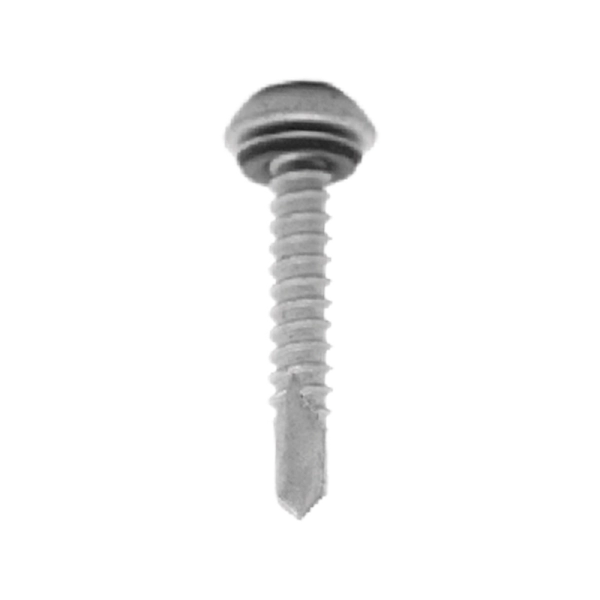
A: They are fasteners with a stainless steel body, a pan or flat head, and an internal hexagon drive recess that accepts a hex key or hex bit for installation. The internal hex drive provides six contact surfaces for high-torque fastening without head damage.
Q: Which stainless steel grade is best for my application?
A: A2 (AISI 304) grade suits general outdoor and freshwater environments. A4 (AISI 316) grade is required for marine, coastal, and chemical exposure environments where chlorides present a pitting corrosion risk.
Q: How do I prevent galling when installing stainless steel hexagon socket nails?
A: Use moderate installation speeds, apply thread lubricant or select fasteners with factory-applied anti-galling coatings, and verify that driver bits are the correct size and in good condition.
Q: What are common stainless steel hexagon socket nail uses?
A: Common applications include securing metal roofing and cladding panels, marine and coastal construction, industrial machinery assembly, chemical processing equipment, and architectural metalwork.
Q: How do I choose the correct fastener length?
A: Measure the total thickness of all materials being joined, verify that the fastener provides adequate embedment into the structural member, and select a length with an effective fastening range that accommodates your specific assembly.
Q: What maintenance do stainless steel hexagon socket nails require?
A: Inspect periodically for signs of corrosion, loosening, or damage. Marine and chemical environments may require more frequent inspection. Damaged fasteners should be replaced with the same grade to avoid galvanic corrosion.
Q: Can stainless steel hexagon socket nails be used with carbon steel structural members?
A: Yes, but verify that the stainless steel grade is compatible with the carbon steel to avoid galvanic corrosion. In wet or corrosive environments, isolation washers or protective coatings on the carbon steel side may be recommended.
Wnioski
Reliable fastening in corrosive environments depends on getting three things right: the material, the drive geometry, and the installation technique. Stainless steel hexagon socket nails address all three through the inherent corrosion resistance of A2 and A4 grades, the high-torque capability of the internal hex drive recess, and installation practices refined through decades of use across the construction, marine, and industrial sectors.
The stainless steel fasteners market continues to expand as industries recognize that fastener material quality directly determines long-term project performance and maintenance cost. With a market trajectory from USD 5.76 billion in 2025 toward USD 9.14 billion by 2032, the adoption of stainless steel fastening solutions shows no sign of slowing.
For engineers, contractors, and maintenance professionals, the decision to specify stainless steel hexagon socket nails represents a commitment to fastening reliability — to connections that survive their environment, maintain their preload, and continue performing years after lower-cost alternatives would require replacement. The additional upfront investment returns itself through reduced rework, eliminated corrosion remediation, and confidence that fastened connections will remain secure throughout their design life.
Please feel free to skontaktuj się z nami w razie jakichkolwiek pytań lub potrzeb.