
はじめに
Selecting the right fastener for a construction project requires careful consideration of strength, corrosion resistance, service life, and overall cost. Among the many options available, 亜鉛メッキ炭素鋼釘 and stainless steel nails are two commonly compared choices for builders, contractors, and industrial buyers.
While stainless steel is widely recognised for its excellent corrosion resistance, galvanised carbon steel nails remain a cost-effective and reliable solution for a wide range of construction applications. With a strong steel core and protective zinc coating, these nails provide dependable holding power while helping reduce project costs.
Understanding when to choose galvanised carbon steel nails over stainless steel alternatives helps buyers strike the right balance among performance, durability, and budget.
The Fundamental Composition of Galvanised Carbon Steel Nails
Before selecting a fastener, it is important to understand how its material structure affects performance. Galvanised carbon steel nails are manufactured from high-quality carbon steel wire, commonly using grades such as Q195 or Q235. The carbon steel core provides excellent tensile strength and resistance to bending, allowing the nails to maintain reliable fastening performance in construction applications.
The steel composition directly influences hardness, flexibility, and load-bearing capability. Manufacturers carefully control these properties to ensure the nails can withstand driving forces without cracking while maintaining strong holding power after installation.
The final production stage involves applying a zinc coating through the galvanisation process. This protective layer acts as a sacrificial barrier, allowing zinc to corrode before the steel substrate is affected. As a result, galvanised carbon steel nails achieve improved corrosion protection and extended service life compared with untreated carbon steel fasteners.
Hot-Dip Galvanisation vs. Electro-Galvanisation
Not all galvanised coatings provide the same level of protection. Understanding the difference between hot-dip galvanised nails and electro-galvanised nails helps buyers select the right fastener for specific environments.
Hot-dip galvanised nails are immersed in molten zinc at approximately 450°C, creating a thick zinc-iron alloy coating that bonds firmly with the steel surface. This durable coating provides strong resistance against moisture and mechanical wear, making hot-dip galvanised nails suitable for outdoor construction and applications requiring long-term corrosion protection.
Electro-galvanised nails, on the other hand, are produced through an electroplating process that applies a thinner zinc layer to the steel surface. They typically offer a smoother finish and more precise dimensions but have lower coating thickness and reduced resistance to harsh environments. These nails are generally better suited for indoor applications or areas with limited exposure to moisture.
Key Performance Characteristics and Features of Galvanised Carbon Steel Nails
The performance of galvanised carbon steel nails is determined by a combination of mechanical properties, material quality, and coating integrity. These factors work together to influence fastening reliability, durability, and suitability for different construction environments.
Mechanical Strength and Holding Power
Carbon steel provides excellent rigidity and strength, making it a widely used material for construction fasteners. When a nail is driven into a substrate, it creates a secure connection by generating friction and maintaining firm contact with the surrounding material.
For structural applications, shear strength and holding power are critical performance factors. Galvanised carbon steel nails are designed to withstand lateral loads and maintain stable connections, making them suitable for applications such as framing, sheathing, and securing structural components where long-term reliability is required.
The combination of high mechanical strength and cost efficiency allows these nails to provide dependable fastening performance across a wide range of construction projects.
Coating Thickness and Longevity
The thickness of the galvanised coating directly affects the corrosion resistance and service life of the fastener. A thicker zinc layer provides a greater protective reserve, allowing the coating to corrode gradually before the steel core is exposed.
Coating specifications are usually measured by weight or thickness, with heavier coatings offering improved protection in environments where moisture exposure is a concern. For outdoor applications, selecting hot-dip galvanised nails with an appropriate coating level can help extend service life and reduce the risk of premature replacement.
Head and Drive Design for Specific Functions
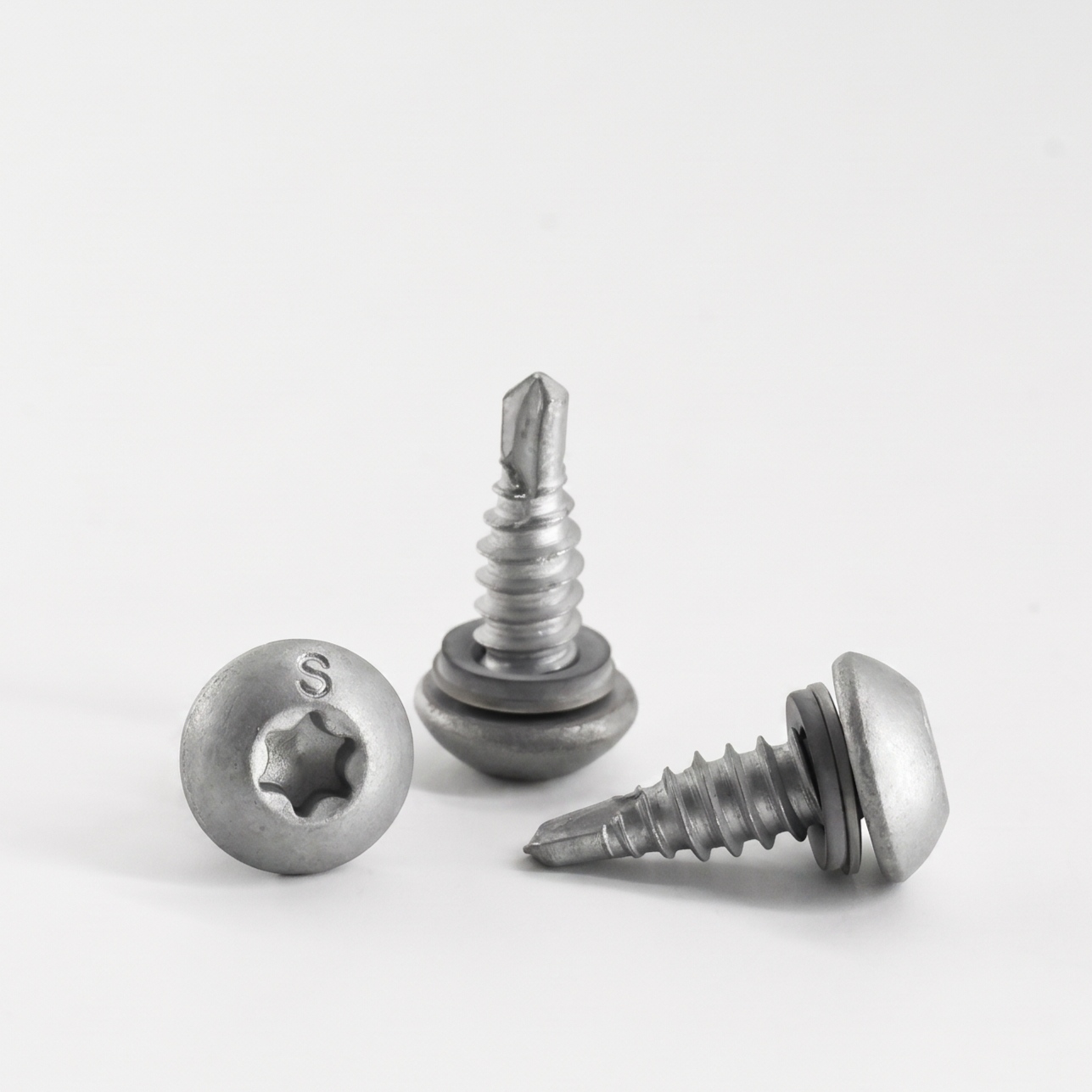
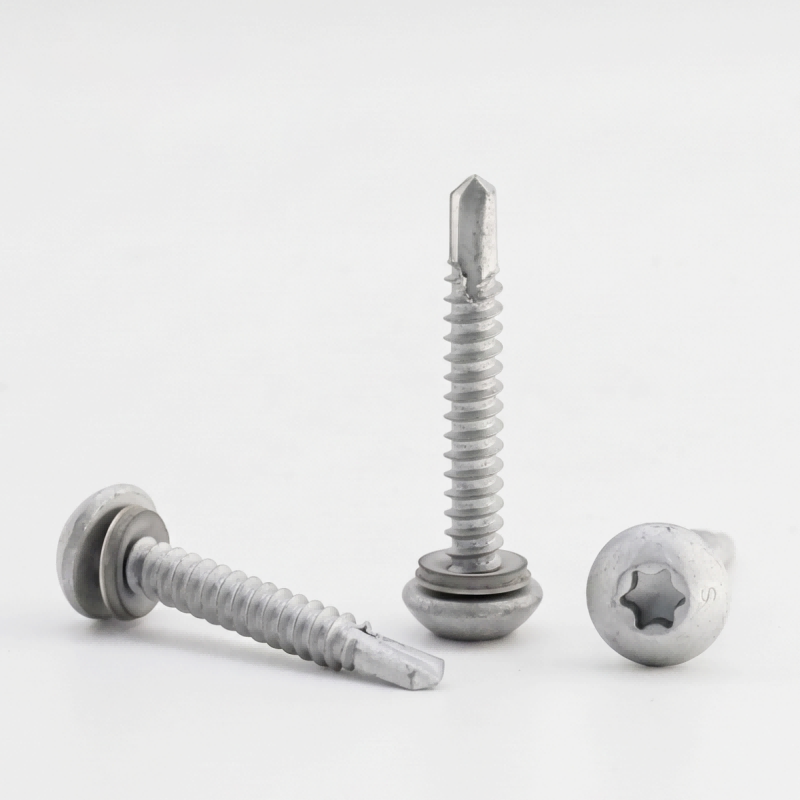
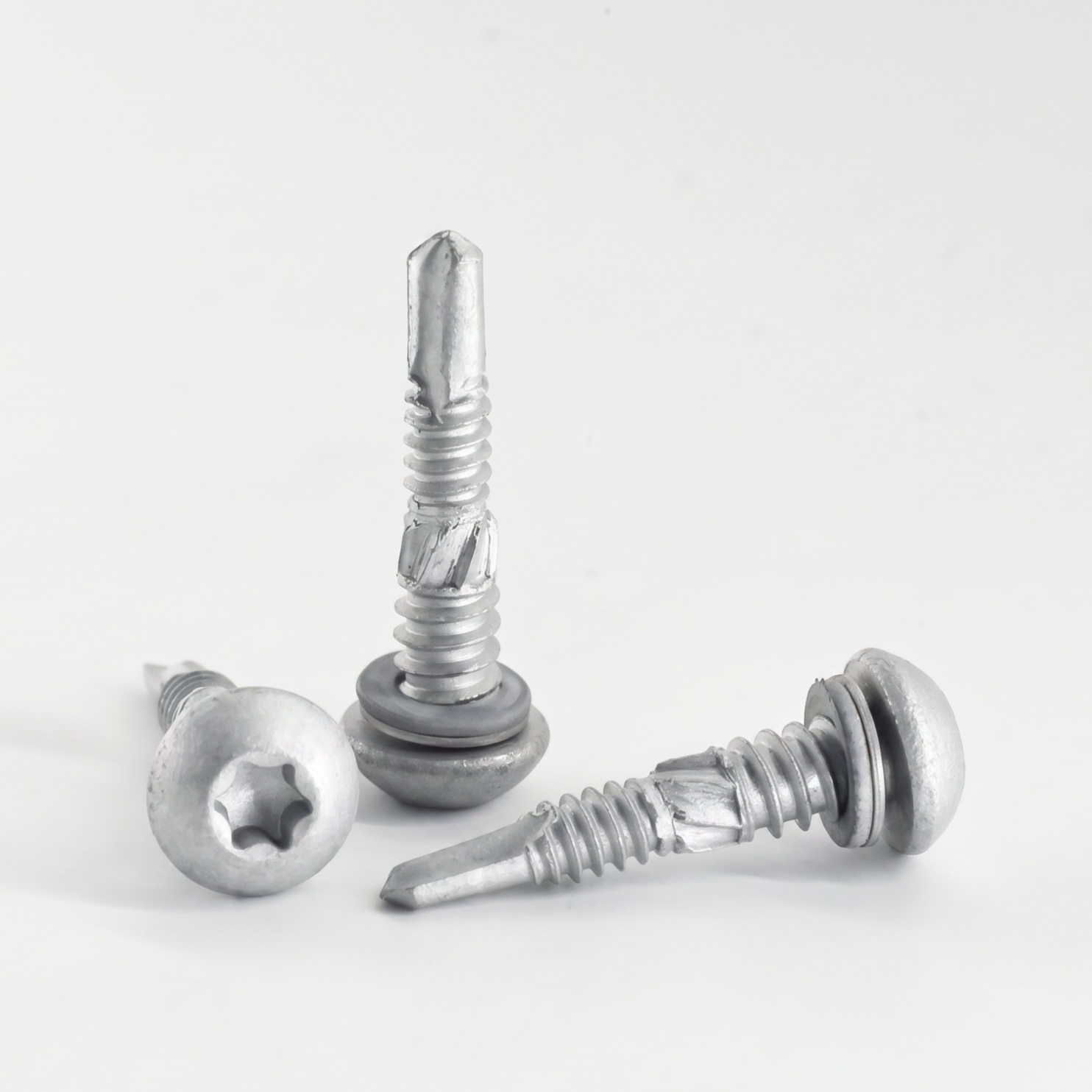
The design of the nail head plays an important role in fastening performance. The hexagonal small flange head, for example, provides a larger bearing surface compared with conventional flat heads. This helps distribute clamping pressure more evenly, reducing the risk of pull-through when fastening sheet materials or metal panels.
The hexagonal drive design also allows for more controlled installation by improving engagement with the driver tool and reducing slipping during fastening. This ensures accurate positioning and consistent results, which is particularly important for applications requiring a neat finish and secure attachment.
When Is the Best Time to Use Galvanised Carbon Steel Nails?
Selecting the right fastener requires consideration of the working environment, material compatibility, and expected service requirements. Galvanised carbon steel nails are a practical choice for many projects where strength, durability, and cost balance are important factors.
Indoor Structural Applications
For interior applications with limited exposure to moisture, galvanised nails provide reliable performance while offering significant cost advantages compared with stainless steel alternatives. They are commonly used for framing, subflooring, wall sheathing, and other indoor construction applications.
In these environments, stainless steel fasteners may provide unnecessary corrosion resistance, making galvanised options a more economical solution without compromising essential fastening performance.
Secondary Structure Connections
For applications involving the attachment of secondary structures or connecting components to primary members, galvanised carbon steel nails provide stable and dependable fastening.
Their mechanical strength helps maintain secure connections over time, even in situations where structures may experience vibration, movement, or material expansion. This makes them suitable for a variety of construction applications requiring consistent holding performance.
Inland Roofing Projects
Hot-dip galvanised nails are widely used in roofing projects located in inland areas where exposure to salt air is limited. They provide reliable corrosion protection and sufficient holding strength for securing roofing materials and colour-coated steel panels.
Compared with stainless steel alternatives, galvanised nails offer a more cost-effective solution while still meeting the performance requirements of many roofing applications.
Applications Demanding High Clamping Force
When a strong clamping force is required, the rigidity of carbon steel provides reliable fastening performance. The material allows the nail to withstand installation forces while maintaining its shape and structural integrity.
This makes galvanised carbon steel nails suitable for applications where secure connections, resistance to movement, and long-term reliability are essential.
When Does Stainless Steel Become the Better Investment?
Despite the versatility of galvanised nails, stainless steel becomes a better choice in specific situations where higher corrosion resistance and longer service life are required.
Coastal and Marine Environments
Coastal environments expose fasteners to salt particles in the air, which can accelerate the breakdown of zinc coatings. While hot-dip galvanised nails can provide reliable protection in inland areas, their performance may be reduced under continuous salt exposure.
Stainless steel nails, especially those made from 316-grade stainless steel, contain molybdenum that improves resistance to chloride-induced corrosion. This makes them a preferred option for marine and coastal applications where long-term durability is a priority.
Direct Contact with Treated Lumber
Pressure-treated lumber contains preservatives such as copper azole and alkaline copper quaternary (ACQ) to protect against decay and insects. However, these chemicals may accelerate the deterioration of zinc coatings and affect the service life of galvanised nails.
For applications involving direct contact with treated wood, stainless steel nails provide better corrosion resistance and material compatibility. They are often selected for projects where fastener replacement would be difficult or where long-term reliability is essential.
High-Humidity and Chemically Aggressive Environments
High-humidity environments, including pools, saunas, and industrial facilities, can increase the risk of corrosion for standard steel fasteners. Similarly, areas exposed to chemical fumes or harsh cleaning agents require stronger corrosion protection.
Stainless steel nails offer excellent resistance in these demanding conditions due to their inherent corrosion-resistant properties, making them suitable for applications where environmental exposure is a major consideration.
Comparative Analysis: Galvanised Carbon Steel vs. Stainless Steel
To help visualise the decision-making process, a side-by-side comparison is invaluable.
| Feature and Performance Criteria | 亜鉛メッキ炭素鋼釘 | ステンレス鋼製釘 |
|---|---|---|
| Corrosion Resistance (General) | Good (coating thickness dependent) | Excellent (material inherent) |
| Corrosion Resistance (Coastal) | Poor (coatings fail relatively quickly) | Superior (316 grade is marine grade) |
| Mechanical Strength (Tensile) | Very High (comparable to or exceeding 304 SS) | High (Varies by grade, 304 is slightly softer) |
| Relative Material Cost | Low to Moderate | High (2-3 times more expensive) |
| Performance in Treated Lumber | Marginal to Poor (risk of coating failure) | 素晴らしい |
| Typical Service Life (Exterior) | 10–20 Years (inland) | 25–50+ Years |
| Suitability for Interior Framing | Excellent (Cost-effective, strong) | Overkill (Unnecessary expense) |
Data and comparisons drawn from industry technical reports and manufacturer lifecycle analyses.
This comparison highlights a clear trend: galvanised nails offer incredible value in controlled environments, while stainless steel provides a premium insurance policy against premature failure in the most aggressive conditions.
Technological and Design Innovations in Galvanised Nails
The fastener industry continues to evolve, with modern galvanised nails incorporating improved designs and surface technologies to enhance installation efficiency, holding performance, and long-term durability.
Enhanced Shank Design for Improved Holding Performance
Advances in structural nail design have improved the ability of galvanised carbon steel nails to maintain secure connections under demanding conditions. Optimised shank structures help increase contact with the fastening material, improving withdrawal resistance and providing more consistent holding performance after installation.
These design improvements are particularly valuable in applications exposed to vibration, movement, or changing loads, where maintaining connection stability over time is essential.
Advanced Coating Technologies
Modern galvanisation technologies go beyond basic zinc protection. Manufacturers continue to develop enhanced coating systems that improve corrosion resistance, surface performance, and installation efficiency.
Additional protective layers, such as transparent protective coatings applied over the zinc surface, can provide an extra barrier against moisture and environmental exposure. Other surface treatments, including specialised lubricating coatings, help reduce friction during installation, allowing smoother driving performance while minimising the risk of installation issues.
Small Flange Design for Panel Fastening
The small flange head is a specialised design feature developed for fastening sheet materials and metal panels. Compared with conventional nail heads, it provides a wider bearing surface that distributes pressure more evenly and helps prevent damage to the attached material.
This design is particularly suitable for applications such as fixing colour-coated steel roofing, siding panels, and other sheet materials where secure fastening and a clean surface appearance are required. Combined with a hexagonal drive, the small flange design allows for more controlled installation and consistent fastening results.
Practical Installation Guidelines
Proper installation is just as important as selecting the right fastener. Using appropriate installation methods helps maximise the performance and service life of galvanised nails.
Pre-Drilling Considerations
For dense materials such as hardwood, or when fastening close to the edge of a workpiece, pre-drilling a pilot hole can help reduce the risk of splitting. The pilot hole should be appropriately sized to maintain a secure fit while minimising stress on the surrounding material.
This approach is especially useful when installation precision and material protection are important considerations.
Driving Technique with Hex Heads
When installing nails with a hexagonal drive, using the correct driver bit ensures better engagement and more consistent installation results. Applying steady pressure during fastening helps prevent slipping and allows the nail head to seat properly against the surface.
For structural applications, avoiding overdriving is important, as excessive force may damage the material or reduce connection performance. The nail should be installed firmly and evenly to achieve the intended fastening strength.
総所有コスト分析
Looking beyond the initial purchase price reveals a more complete financial picture.
| Cost Factor | Galvanised Carbon Steel | Stainless Steel |
|---|---|---|
| Upfront Cost per Piece | 低い | 高い |
| Installation Cost | Same | Same |
| Maintenance Cost | Low to Moderate | Very Low |
| Expected Lifespan (Inland) | 15+ Years | 30+ Years |
| Replacement Cost Risk | 中程度 | Very Low |
| Total Project Lifecycle Cost | Low to Moderate | Moderate to High |
For a project with a 15-year expected lifespan, galvanised nails represent a clear and substantial cost saving. For a 50-year building, however, the risk of needing to replace a significant number of fasteners midway through the building’s life can make stainless steel the more prudent long-term investment. This analysis underscores the need to align fastener choice with the project’s projected lifespan and performance requirements.
Environmental Considerations
Sustainability is an increasingly important factor in material selection. Carbon steel is highly recyclable, and the galvanisation process protects the base material, extending its useful life and reducing the need for premature replacement. While the production of zinc does carry an environmental footprint, the overall impact of using a durable, long-lasting product is generally lower than frequently replacing an inferior one.
結論
In summary, galvanised carbon steel nails provide a reliable and economical fastening solution for a wide range of construction applications. Their combination of high tensile strength, durable zinc coating, and dependable holding performance makes them suitable for interior structures, sheltered outdoor projects, and applications where balanced performance and cost efficiency are important.
Choosing the right fastener ultimately depends on factors such as environmental conditions, material compatibility, and expected service life. By understanding these requirements, buyers can select galvanised carbon steel nails that deliver long-term reliability without the higher cost of stainless steel alternatives.
Looking for reliable galvanised carbon steel nails for your next project? Contact our team to discuss your specifications, application requirements, and order needs. We can provide product details, samples, and competitive solutions to help you source the right fasteners for your construction projects with confidence.